
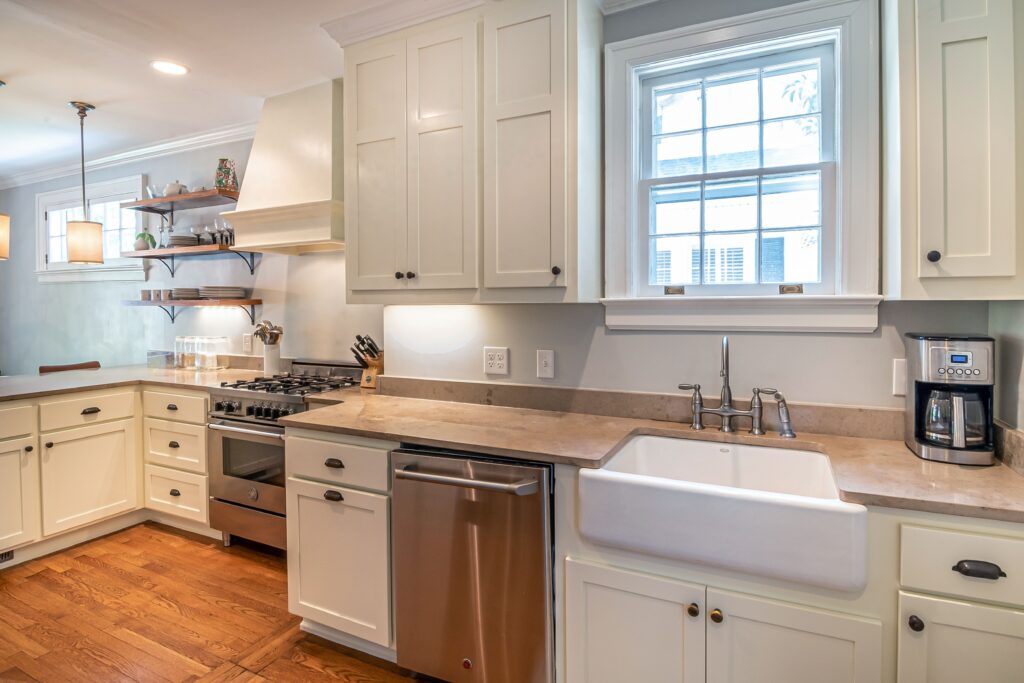
Last Saturday morning in Glen Burnie, Mark stood in his kitchen staring at cabinets that had seen better days. The doors creaked, the countertop was stained, and the dim light made everything look dull. Yet, the biggest concern wasn’t design, it was cost. Like many homeowners across Maryland, Mark wanted a fresh, modern space without draining his savings. That’s when he started searching for kitchen remodeling solutions that were both high-quality and affordable.
Across Arnold, Annapolis, and Bowie, countless families and property owners face the same challenge. Kitchens are the heart of every home, where mornings begin and conversations linger, but they also show the most wear over time. For property managers and real estate investors in places like Columbia or Rockville, an outdated kitchen can lower a property’s appeal and value.
Affordable kitchen remodeling isn’t just about saving money; it’s about increasing functionality, energy efficiency, and style, all while staying within budget. Whether you manage a rental in Silver Spring, own a townhouse in Crofton, or live in a classic colonial home in Bethesda, a well-planned remodel can breathe new life into your space while enhancing long-term property value. And with the right team, it’s more achievable than most people think.
Key Takeaways on Affordable Kitchen Remodeling
1. Preparation Defines Success: A well-planned kitchen remodeling project begins with a clear assessment of needs, design goals, and realistic budgeting. Early planning prevents costly errors and ensures smoother execution.
2. Design and Layout Matter: Choosing the right kitchen layout, L-shaped, U-shaped, or open concept, creates efficiency and enhances everyday comfort for Maryland homeowners.
3. Smart Material Choices Save Money: Affordable yet durable materials like quartz-look countertops and vinyl flooring balance cost and performance, making them ideal for properties in Glen Burnie, Bowie, or Silver Spring.
4. Energy Efficiency Adds Long-Term Value: Modern appliances and LED lighting reduce operational costs while increasing the property’s sustainability and appeal.
5. Professional Expertise Is Essential: Licensed local contractors in Colombia, Annapolis, or Rockville ensure code compliance, quality workmanship, and project transparency.
6. Quality Extends Lifespan: Regular maintenance, such as resealing surfaces or verifying ventilation, helps preserve your remodel’s beauty and durability.
7. Value and Comfort Combine: Affordable remodeling not only refreshes aesthetics but also raises market value for both homeowners and property managers.
8. Informed Decisions Lead to Lasting Results: Understanding each step of kitchen remodeling empowers clients to create kitchens that reflect their lifestyle, meet budget goals, and remain functional for years.
What Is Kitchen Remodeling?
Kitchen remodeling is the process of updating or redesigning a kitchen to improve its functionality, efficiency, and aesthetic appeal. It may involve replacing old cabinets, upgrading appliances, adding new countertops, optimizing storage, or reconfiguring the layout to create a more open and welcoming environment. The goal is to transform an outdated or impractical kitchen into a beautiful, functional space that fits both lifestyle and budget.
For homeowners in places like Annapolis or Bowie, remodeling doesn’t always mean tearing everything down. Even simple updates, such as repainting cabinets, installing modern light fixtures, or adding a stylish backsplash, can make a dramatic difference.
Why Kitchen Remodeling Matters in Maryland
Property values across Maryland cities like Columbia, Rockville, and Bethesda are heavily influenced by kitchen design and condition. Buyers and tenants often make their decisions based on the kitchen’s appeal. For property managers, an updated kitchen can justify higher rental rates and reduce vacancy times. Homeowners, on the other hand, enjoy improved comfort and energy efficiency through modern appliances and layouts tailored to current living needs.
In Glen Burnie or Crofton, where many properties feature older construction, affordable kitchen remodeling can transform a dated home into one that feels brand new, without overspending.
Practical Examples of Affordable Upgrades
Smart Layout Adjustments
By shifting a few cabinets, adding a narrow island, or opening a wall, you can create a more spacious kitchen that feels entirely new.
Stylish Yet Cost-Effective Materials
Quartz-look countertops, eco-friendly laminate flooring, and RTA cabinets give a luxurious finish at a fraction of the price of premium materials.
Energy-Efficient Improvements
Replacing outdated lighting with LED fixtures or choosing Energy Star–rated appliances lowers electricity bills while enhancing the kitchen’s look and performance.
Building Value That Lasts
An affordable kitchen remodeling project isn’t just an aesthetic choice, it’s an investment that adds tangible value. Whether you manage multiple rentals in Silver Spring or own a family home in Arnold, modernizing your kitchen creates a lasting impression and positions your property for better long-term returns.
Step-by-Step Guide to Successful Kitchen Remodeling in Maryland
Carrying out an affordable yet high-quality kitchen remodeling project requires planning, coordination, and attention to detail from both the homeowner and the contractor. Whether your property is in Annapolis, Rockville, or Bowie, following a structured process ensures that every dollar is well spent and every improvement adds real value.
Below is a step-by-step outline that most professional remodeling contractors in Maryland use to achieve great results with efficiency and precision.
Step 1: Initial Consultation and Needs Assessment
Every successful remodeling project starts with a conversation. The contractor meets with the homeowner or property manager to discuss goals, preferred style, functionality improvements, and, most importantly, budget limitations.
In Glen Burnie or Crofton, where homes vary widely in size and layout, contractors often take detailed measurements and assess the condition of existing plumbing, wiring, and ventilation systems. This ensures the project scope matches both the property’s structure and the client’s expectations.
| Key Topics During Consultation | Purpose |
| Budget range and priorities | Defines material options and project scale |
| Lifestyle and usage needs | Tailors design for everyday practicality |
| Design inspirations | Establishes visual direction |
| Timeline expectations | Ensures realistic scheduling |
Step 2: Design and Budget Planning
Next comes the creative and financial blueprint. Designers work hand-in-hand with homeowners in places like Bethesda or Columbia to create a customized layout that enhances space, lighting, and traffic flow. Budget planning also takes shape here, balancing wish-list items with cost-effective alternatives.
Modern design tools allow contractors to create digital renderings, helping clients visualize the updated space before work begins. This avoids unnecessary changes later and keeps costs under control.
| Design Elements to Consider | Common Maryland Examples |
| Lighting layout | Under-cabinet LEDs for Annapolis colonial homes |
| Cabinet configuration | Tall storage solutions for smaller Bowie kitchens |
| Countertop surface | Budget-friendly quartz in Rockville apartments |
| Flooring material | Durable vinyl for Glen Burnie rental units |
Step 3: Material Selection and Procurement
Affordable kitchen remodeling relies heavily on smart material choices. The right contractor sources durable, attractive, and cost-efficient products that align with the client’s goals.
For example, a property owner in Silver Spring may opt for locally crafted semi-custom cabinets instead of imported hardwoods, while a home in Arnold might feature recycled glass countertops to achieve a luxury look at a reduced price.
Reliable contractors have relationships with trusted Maryland suppliers, ensuring quick delivery and warranty-backed materials that fit within budget.
Step 4: Permits and Code Compliance
Maryland cities like Rockville and Bethesda have distinct building codes that govern plumbing, electrical, and structural work. Before construction begins, a professional contractor secures all necessary permits, preventing future legal or inspection issues.
For property managers overseeing multiple units, compliance is especially crucial, it protects the investment and ensures long-term safety for tenants.
Step 5: Demolition and Site Preparation
When permits are approved, the physical work starts. The demolition team removes outdated cabinets, counters, and flooring while protecting adjacent rooms from dust and debris. Contractors also inspect for hidden damage, common in older Columbia and Glen Burnie homes, such as water-damaged drywall or outdated wiring that may need replacement.
Preparation sets the tone for a clean, efficient build, helping the final installation go smoothly.
Step 6: Structural, Electrical, and Plumbing Updates
Before the aesthetic elements take shape, contractors complete any required behind-the-walls work. In Bowie or Crofton homes, this may include running new water lines, repositioning electrical outlets to accommodate new layouts, or reinforcing floor joists to support heavier countertops.
Licensed professionals handle this phase to guarantee safety, efficiency, and compliance with Maryland regulations.
Step 7: Installation of Major Elements
Now the transformation begins. Cabinets, countertops, flooring, and backsplashes are installed with careful precision. Contractors often work from top to bottom, installing wall cabinets first, then base cabinets, counters, and flooring.
A kitchen in Annapolis might feature bright coastal tones and shaker-style cabinets, while a property in Rockville could incorporate sleek, modern finishes to attract renters.
Step 8: Finishing Touches and Inspection
Final details, like hardware, paint, and lighting fixtures, tie the new kitchen together. The contractor conducts a thorough quality inspection, ensuring drawers open smoothly, outlets function properly, and all appliances are secured safely.
Homeowners typically walk through with the contractor to confirm satisfaction before final approval. For property managers, this step includes verifying that durable materials and easily maintained finishes were installed to minimize future upkeep costs.
Step 9: Clean-Up and Post-Project Support
After the remodel is complete, contractors provide deep cleaning, debris removal, and sometimes a warranty or maintenance guide. In Bethesda or Columbia, professional cleanup ensures the remodeled kitchen is move-in ready.
Reputable teams also offer post-project check-ins to guarantee client satisfaction, especially valuable for long-term rental owners seeking consistent property upkeep.

A well-planned kitchen remodeling project, executed through these precise steps, not only enhances the aesthetic appeal of homes across Maryland but also strengthens property value, efficiency, and livability. Whether you’re a homeowner upgrading for comfort or a real estate investor modernizing for profit, following this structured approach ensures your investment delivers enduring results.
Knowing a few practical tips before starting a kitchen remodeling project can make a major difference in the final result. Whether you own a family home in Columbia, manage apartments in Silver Spring, or oversee rentals in Crofton, a smart approach helps reduce future maintenance costs, avoid delays, and ensure your kitchen remains beautiful and functional for years.
Top Tips for Better Results:
1. Plan with precision. Define priorities early. Choosing the right layout from the start prevents change orders that can increase costs.
2. Invest in durable materials. In high-traffic homes in Bowie or Annapolis, stain-resistant countertops and easy-clean finishes maintain their appeal longer.
3. Consider long-term energy savings. Energy-efficient lighting and appliances reduce utility bills and create a more sustainable kitchen.
4. Work with licensed professionals. Maryland contractors familiar with local codes guarantee safety and project compliance.
5. Don’t overlook ventilation. Proper airflow protects walls and cabinets from excess humidity, ensuring lasting quality.
6. Schedule regular maintenance. Simple steps, like tightening hardware or resealing countertops, preserve the remodel’s appearance.
Applying these good practices ensures your kitchen remodeling project delivers enduring comfort, value, and reliability for every type of property.
Key Concepts to Understand Before Starting Your Kitchen Remodeling Project
Before beginning a kitchen remodeling project, it’s essential to understand a few fundamental concepts that influence cost, design, and quality. Whether you own a rental property in Silver Spring, a townhouse in Crofton, or a single-family home in Columbia, knowing these terms helps you communicate effectively with your contractor and ensure that the final result aligns with your expectations and budget.
Layout and Flow
The kitchen layout defines how efficiently you move and work within the space. Common layouts include L-shaped, U-shaped, galley, and open-concept designs. Each has advantages depending on the size and structure of the home.
For example, in a compact Glen Burnie home, a galley kitchen may maximize wall storage, while in larger Bowie homes, an open-concept design creates a sociable cooking and dining area.
| Layout Type | Best For | Advantages | Considerations |
| L-Shaped | Small to medium kitchens | Provides flexibility and good corner use | Requires efficient lighting |
| U-Shaped | Larger kitchens | Ample storage and work surfaces | May feel closed off in small spaces |
| Galley | Narrow kitchens | Efficient workflow and low cost | Limited room for multiple people |
| Open Concept | Modern homes | Enhances flow, integrates with living area | Costlier if structural changes are needed |
Work Triangle and Zone Planning
The traditional work triangle connects the sink, stove, and refrigerator, minimizing unnecessary movement while cooking. Modern zone planning goes further by dividing the kitchen into areas for prepping, cooking, cleaning, and storing.
In Rockville and Bethesda, where kitchens often double as social centers, a balanced triangle or zone layout ensures both efficiency and comfort. A well-planned layout not only saves time but also reduces clutter and accidents during daily use.
Material Durability and Maintenance
Understanding the durability and maintenance level of each material ensures long-term satisfaction. Homeowners in humid coastal areas like Annapolis may prioritize moisture-resistant finishes, while those in Columbia might focus on scratch-resistant options for high-traffic usage.
| Material | Benefits | Maintenance Level | Ideal Use |
| Quartz | Durable, non-porous, modern look | Low | Countertops in rental units |
| Granite | Natural stone, elegant | Medium | High-end homes in Bethesda |
| Laminate | Affordable, wide design range | Low | Budget remodels in Glen Burnie |
| Solid Wood | Warm, timeless look | High | Accent cabinets or islands |
Selecting materials suited to your property’s conditions keeps the kitchen looking newer for longer while avoiding costly repairs.
Lighting Design
Lighting plays a crucial but often underestimated role in kitchen remodeling. A mix of ambient, task, and accent lighting creates a balanced environment.
· Ambient lighting: Provides general illumination across the room.
· Task lighting: Focuses on work areas such as countertops or sinks.
· Accent lighting: Highlights architectural features or backsplashes.
In Crofton or Bowie homes, under-cabinet LED strips enhance visibility for food prep, while pendant lights above islands in Annapolis homes add warmth and style. Energy-efficient fixtures also reduce power bills over time.
Ventilation and Air Quality
During cooking, heat, moisture, and odors accumulate quickly. Good ventilation not only protects air quality but also extends the life of cabinetry and walls.
Homeowners in older Maryland homes often underestimate the need for updated vent systems. A properly installed range hood or ceiling vent system ensures fresher air, especially in properties with open layouts.
Storage Optimization
Functional storage solutions maximize space while maintaining a sleek appearance. Pull-out drawers, corner carousels, and deep pantry units make a huge difference in daily convenience.
For example, property owners in Rockville renting smaller apartments often add vertical cabinetry to increase capacity without expanding the footprint. Custom shelving in Bethesda homes can hide appliances and reduce visual clutter.
Budget Control and Value Engineering
Balancing cost and quality is central to affordable kitchen remodeling. Value engineering focuses on choosing alternatives that achieve the same performance at lower cost.
| Element | High-Cost Option | Affordable Alternative | Benefit |
| Countertops | Natural granite | Engineered quartz | Similar look, lower maintenance |
| Cabinets | Custom hardwood | Semi-custom or RTA | Adaptable and cost-effective |
| Flooring | Hardwood | Luxury vinyl plank | Durable, moisture-resistant |
| Lighting | Designer fixtures | LED integrated options | Energy savings, modern finish |
This approach allows Maryland homeowners to achieve modern aesthetics within a manageable budget, especially crucial for large property portfolios in Silver Spring or multi-unit renovations in Columbia.
Sustainable and Energy-Efficient Choices
Green remodeling is not just a trend, it’s a practical investment. Eco-friendly materials, low-VOC paints, and energy-efficient appliances reduce environmental impact and operating costs.
In Annapolis or Crofton, solar tubes and skylights minimize the need for daytime lighting, while motion-sensor fixtures add comfort and efficiency. Energy-smart choices enhance property value while lowering expenses year after year.
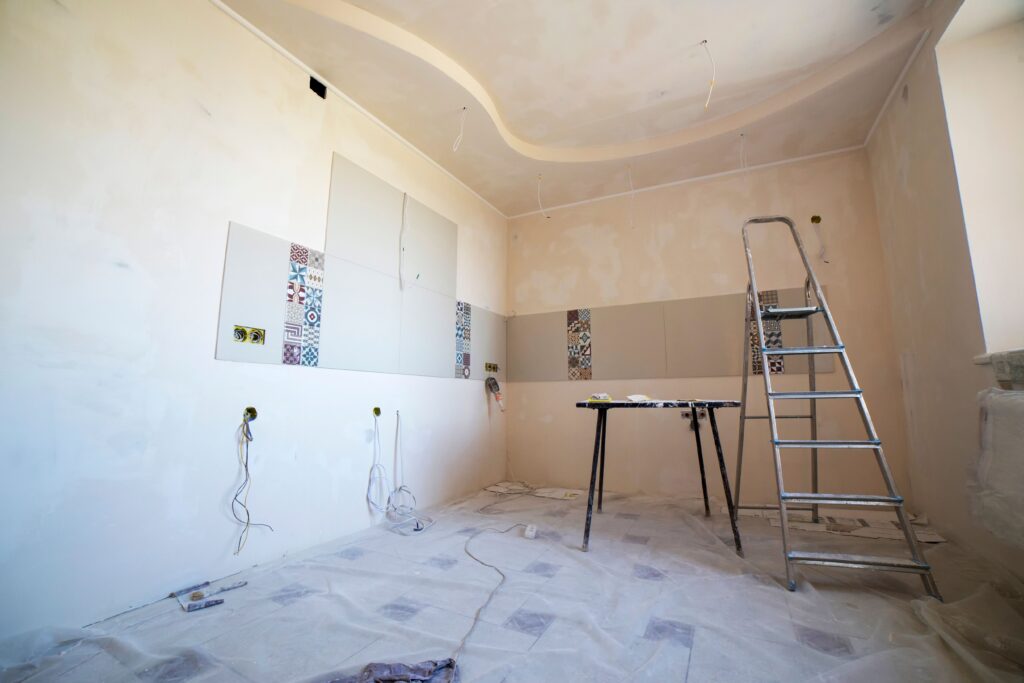
Understanding these key concepts ensures that your kitchen remodeling project aligns functionality, aesthetic value, and budget stability. When you recognize how design, materials, lighting, and space planning interact, you make informed decisions that boost comfort, property value, and long-term satisfaction across any Maryland home or investment property.
Frequently Asked Questions About Kitchen Remodeling
How long does a typical kitchen remodeling project take in Maryland?
On average, a full remodel in areas like Rockville or Annapolis can take between four to eight weeks, depending on the project’s scope. Smaller upgrades, such as cabinet refacing or countertop replacement, may take only one to two weeks. Setting a clear schedule with your contractor helps avoid unnecessary delays.
How can I keep my kitchen remodeling project within budget?
Start with a detailed estimate and prioritize must-have upgrades. In places like Glen Burnie or Bowie, homeowners often save by selecting mid-range materials that mimic premium finishes, such as laminate flooring or composite countertops.
Do I need permits for kitchen remodeling in Maryland?
Yes, permits are usually required when altering plumbing, wiring, or structural components. A local licensed contractor will handle these applications for you, ensuring compliance with city regulations in Bethesda, Columbia, or Crofton.
Will a kitchen remodel increase my property’s value?
Absolutely. Updated kitchens are one of the strongest selling points for homes and rentals. Property owners in Silver Spring and Columbia often see better returns and faster tenant occupancy after remodeling.
How can I choose the right contractor?
Seek professionals with verifiable licenses, references, and insurance. Local experience is essential, Maryland contractors familiar with regional styles and codes ensure smoother results.
What are the best affordable materials for a durable finish?
Homeowners in Arnold and Bethesda frequently choose quartz-look counters, painted wood cabinets, and water-resistant vinyl flooring for a long-lasting, stylish, yet economical solution.
By planning carefully, collaborating with the right experts, and choosing quality materials, your kitchen remodeling project can combine affordability, beauty, and durability across any Maryland home or property.