

When Sarah and Mark bought their 1980s colonial home in Glen Burnie, they loved the neighborhood but quickly realized the interior design hadn’t aged as gracefully as the oak trees lining the street. Outdated cabinetry, cramped layouts, and inefficient energy systems made daily life a challenge, and hurt their home’s resale potential. They soon discovered that home remodeling in Maryland isn’t just about modern aesthetics; it’s a strategic investment that can dramatically increase comfort, functionality, and market value.
Across cities like Annapolis, Bowie, and Silver Spring, homeowners and property managers are recognizing the same opportunity. With Maryland’s diverse housing stock, from historic homes near the waterfront to new builds in expanding suburban communities, modernizing a property requires expertise, planning, and a clear vision. A comprehensive, whole‑home renovation can breathe new life into an aging residence, turning it into a modern, energy‑efficient, and visually appealing space that meets the demands of today’s lifestyle.
For property owners and real estate investors, the importance is even greater. Quality remodeling doesn’t just enhance living spaces, it positions homes competitively in a thriving market. Whether your property is in Rockville, Columbia, or Bethesda, smart home remodeling in Maryland is one of the most powerful ways to increase long‑term value while creating a home that truly reflects modern living.
Key Takeaways: Whole-Home Remodeling in Maryland
1. Strategic remodeling enhances property value: A well-executed home remodeling in Maryland project can significantly boost resale potential while creating more functional, comfortable living spaces.
2. Planning and design are essential: Defining goals, choosing qualified contractors, and designing according to Maryland’s building codes ensure efficient, long-lasting results.
3. Energy efficiency pays off: Integrating insulation, smart systems, and weather‑appropriate materials reduces energy costs and appeals to eco-conscious buyers statewide.
4. Customization matters by region: Homes in Annapolis may need moisture-resistant finishes, while those in Bethesda or Potomac often emphasize modern minimalism and high-end materials.
5. Quality over speed: Taking time for proper budgeting, structural evaluation, and design development prevents costly mistakes and extends the life of the remodel.
6. Compliance protects your investment: Securing permits and adhering to local zoning codes prevents legal issues and ensures a higher market appraisal.
7. Maintenance extends value: Regular inspections and minor updates preserve both the visual appeal and durability of remodeling work.
8. Professional guidance ensures success: Relying on experienced Maryland contractors and verified local expertise turns remodeling visions into long-term, profitable results.
What Whole-Home Remodeling in Maryland Really Means
Whole-home remodeling goes far beyond cosmetic upgrades. It’s a complete transformation of your property’s structure, layout, and design to suit modern living standards. In areas like Annapolis or Crofton, where many houses were built decades ago, outdated layouts or inefficient systems can make homes feel smaller and less functional than they actually are. A comprehensive renovation can include redesigning open floor plans, updating electrical and plumbing systems, improving insulation, and adding energy-efficient features.
For instance, a family in Potomac might decide to remove walls between their kitchen and living room for a more spacious feel, while a homeowner in Bowie could opt to finish a basement into an entertainment space or rental unit. These updates don’t just create comfort, they also increase a property’s resale appeal in Maryland’s competitive real estate market.
Why Homeowners and Property Managers Should Invest
Investing in home remodeling in Maryland is about more than personal taste; it’s about long-term value. Property managers in cities like Columbia and Rockville often seek remodeling projects to make rentals stand out. Modern designs, fresh paint, and smart-home technology attract reliable tenants who are willing to pay higher rents.
Homeowners see an immediate benefit too. Remodeling a kitchen or bathroom can recover a significant portion of its cost at resale, while energy-efficient improvements can reduce monthly utility bills. Whether you own a single-family home in Arnold or oversee multiple properties in Silver Spring, remodeling is one of the smartest ways to preserve and grow your investment.
Modernizing for Maryland’s Market
Every city in Maryland has its own housing character, and understanding these differences helps guide remodeling decisions. A coastal property in Annapolis might emphasize moisture-resistant materials and coastal-inspired designs, while a suburban home in Bethesda could focus on modern minimalism and eco-friendly systems.
In short, home remodeling in Maryland is both a creative and financial opportunity. By modernizing your entire home, you not only transform how you live today but also secure a stronger market position for tomorrow.
Step-by-Step Guide to a Successful Home Remodeling Project in Maryland
Carrying out a whole-home remodeling project is a major investment that demands careful planning and experienced execution. Whether your property is a classic colonial in Annapolis or a mid-century home in Rockville, following a clear process ensures that every aspect of your renovation adds value and longevity. Below is a detailed breakdown of the essential steps professionals follow when completing home remodeling in Maryland, designed to help homeowners, property managers, and real estate investors understand what to expect.
Step 1: Initial Consultation and Property Assessment
Every successful project begins with a comprehensive consultation. During this phase, the contractor visits your property, perhaps a townhouse in Columbia or a waterfront home in Arnold, to identify your goals, evaluate the structure, and discuss your budget and timeline. This step ensures that future plans align with your home’s current condition and local zoning requirements.
Key tasks performed:
· Inspecting structural integrity, roofing, and foundation
· Identifying outdated systems (HVAC, electrical, plumbing)
· Discussing modern design goals and functionality needs
· Reviewing local building codes specific to Maryland counties
Step 2: Design and Planning
Once the initial evaluation is complete, designers and architects create a customized plan that reflects your lifestyle and market trends. In Bethesda, homeowners may prefer sleek, modern interiors, while families in Crofton might need multi-functional family spaces.
Typical elements in this phase:
· 3D modeling and virtual design walkthroughs
· Selection of materials suited to local weather conditions
· Integration of energy-efficient and eco-friendly features
· Permitting process management
| Design Phase Deliverables | Purpose |
| Floor plan and layout redesign | To maximize space and improve flow |
| Material and color selection | To match the desired style and durability |
| Cost and time estimation | To forecast realistic budget and schedule |
| Permit acquisition | To comply with Maryland building codes |
Proper design and planning are not just aesthetic decisions, they are the foundation of a structurally sound and financially successful remodel.
Step 3: Budgeting and Scheduling
Setting a transparent budget and timeline keeps expectations realistic for all parties involved. Contractors with experience in home remodeling in Maryland consider regional cost variations (for example, materials tend to be more expensive in Potomac than in Glen Burnie).
Common best practices include:
· Creating a contingency fund of 10–15% for unforeseen costs
· Breaking down expenses by priority, structural, mechanical, and aesthetic
· Establishing milestones with clear start and end dates
| Budget Allocation Example | Estimated Percentage |
| Structural and systems upgrades | 40% |
| Design and finishes | 30% |
| Labor and permits | 20% |
| Contingency | 10% |
This structured approach prevents cost overruns and ensures homeowners can make informed financial decisions before work begins.
Step 4: Demolition and Structural Work
Using proper safety and compliance measures, demolition crews remove old materials and prepare the site for reconstruction. Whether upgrading an aging kitchen in Silver Spring or reconfiguring entire living spaces in Bowie, ensuring foundational stability is critical.
Tasks in this phase:
· Safe removal of walls, cabinets, and flooring
· Electrical and plumbing upgrades
· Foundation inspections
· Framing and structural adjustments
This foundational work is what establishes the durability and efficiency of every remodel that follows.
Step 5: System Installation and Rough-Ins
Contractors now handle behind-the-scenes systems before walls are closed up. For property owners in Rockville or Columbia, modernizing utility systems enhances both comfort and long-term value.
Work included:
· HVAC, plumbing, and electrical rough-ins
· Insulation upgrades to meet Maryland energy codes
· Smart technology integration for lighting and climate control
· Inspection by local authorities to verify code compliance
Proper installation during this stage helps avoid future repairs and ensures a smooth transition to finishing work.
Step 6: Interior Finishing and Design Implementation
Once the major systems are in place, interior detailing begins. This is where the home’s new personality truly takes shape. Homeowners in Annapolis often incorporate coastal-inspired finishes, while those in Bethesda might prefer minimalist, contemporary touches.
Includes:
· Cabinetry installation and flooring
· Painting, tiling, and fixture upgrades
· Lighting design and trim details
· Final design walkthrough with the homeowner
Finishing details are where craftsmanship meets creativity, turning blueprints into livable elegance.
Step 7: Final Inspection and Project Handover
Before the remodel is complete, a thorough inspection confirms that all work meets building codes and design expectations. Contractors often schedule a final walkthrough with homeowners or property managers to ensure satisfaction.
Checkpoints:
· Verify quality of workmanship
· Ensure mechanical systems function properly
· Review warranties and maintenance recommendations
· Provide final project documentation
For investors or property managers, this phase ensures the remodel is fully compliant and ready for occupancy, whether for resale, leasing, or personal use.
Step 8: Ongoing Maintenance and Property Care
Although renovation marks the conclusion of major work, maintaining your newly upgraded property is essential to preserve its value. For residents of Glen Burnie or Arnold, seasonal check-ups on HVAC systems and exterior finishes help extend the lifespan of your investment.
Contractors specializing in home remodeling in Maryland often provide maintenance packages that include annual inspections, small repairs, and system updates. This proactive care safeguards the beauty and efficiency of your remodel for years to come.
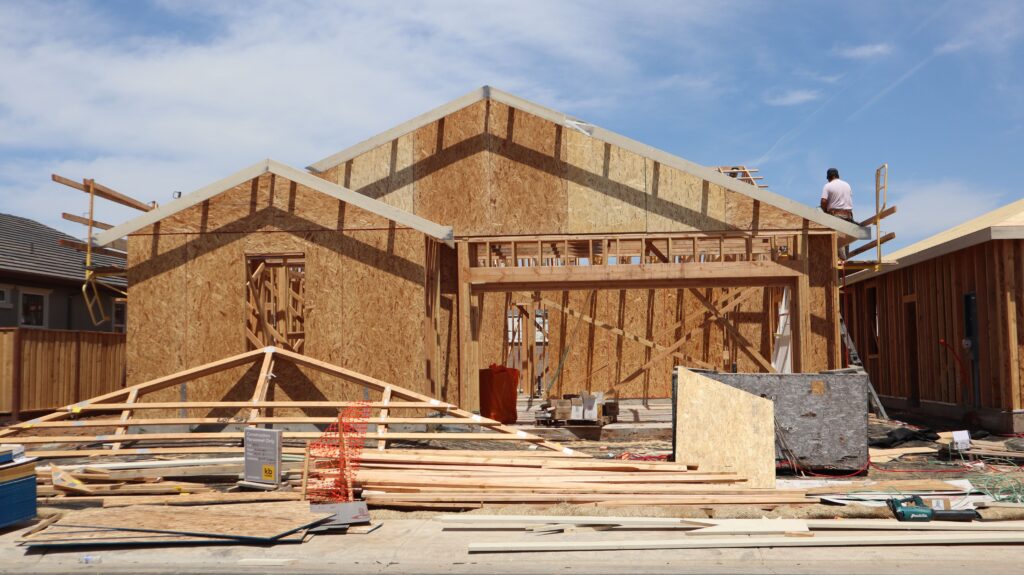
By following these steps with experienced professionals, homeowners and property owners across Maryland, from Silver Spring to Potomac, can approach whole-home remodeling confidently. The process not only revitalizes your living environment but also positions your property as a standout investment in one of the state’s most dynamic real estate markets.
Knowing the right strategies before starting a home remodeling in Maryland project can save time, reduce unexpected costs, and help ensure lasting results. Whether you’re managing a Victorian-style property in Annapolis or updating a family home in Columbia, applying practical and well‑planned methods can make all the difference.
Top Tips for Better Remodeling Results:
- Plan with precision: Define your goals early, whether it’s expanding space or improving energy efficiency, to avoid mid‑project changes that drive up costs.
- Hire local expertise: Work with licensed Maryland contractors familiar with county regulations in places like Bowie or Rockville. They can secure proper permits and ensure compliance with local building codes.
- Invest in quality materials: Weather‑resistant and energy‑efficient products extend lifespan, especially important for coastal areas such as Annapolis.
- Set a realistic timeline: Balance ambition with patience. Rushed jobs often compromise craftsmanship and long‑term durability.
13. Schedule regular inspections: Ongoing evaluations by professionals after completion help maintain structural integrity and prevent small issues from growing over time.
Applying technical knowledge and trusted best practices ensures your home remodeling in Maryland not only looks exceptional but also retains its value and comfort for years ahead.
Key Concepts to Understand Before Starting Home Remodeling in Maryland
Undertaking a home remodeling in Maryland project requires more than choosing attractive designs and quality materials, it demands an understanding of the fundamental concepts that influence results, durability, and property value. Whether you’re renovating a rental property in Silver Spring, restoring an older home in Annapolis, or upgrading a family residence in Bowie, knowing these principles helps you make informed decisions and ensures a tangible return on investment.
Structural Integrity and Load-Bearing Awareness
Every successful remodeling project begins with a solid structure. Load-bearing walls, foundation stability, and framing quality determine how safely you can open layouts or add extensions. For example, in older Rockville homes built before 1970, replacing load-bearing walls often requires steel or engineered beams for support. Failing to address structural factors can lead to uneven floors, wall cracks, and long-term instability.
| Structural Element | Purpose | When to Inspect |
| Foundation | Ensures home stability and weight distribution | Before adding new rooms or heavy fixtures |
| Joists and beams | Support floors and walls | When changing layout or adding open spaces |
| Load-bearing walls | Maintain vertical load support | During major floor plan alterations |
Energy Efficiency and Maryland Climate Adaptation
Maryland’s climate features humid summers and cold winters, which means local remodeling should focus on insulation, ventilation, and energy-efficient systems. Homeowners in Columbia or Potomac frequently install high-performance windows, upgraded HVAC systems, and eco-friendly materials that maintain comfort year-round.
An energy-smart remodel not only lowers monthly expenses but also increases resale appeal, a growing demand among younger buyers in counties like Anne Arundel and Montgomery. When combined with smart thermostats or solar panels, these choices can make a property truly future-ready.
Space Optimization and Functional Design
Whole-home remodeling often involves rethinking space rather than simply enlarging it. Open floor concepts, multi-functional storage, and adaptable areas elevate both aesthetics and usability. For example, in Crofton, compact homes benefit from under-stair storage or kitchen islands that double as dining areas. Property managers in Glen Burnie also favor flexible layouts, which make homes more appealing to diverse tenants.
| Design Goal | Recommended Solution | Benefit |
| Better natural lighting | Add larger or strategically placed windows | Enhances mood and energy efficiency |
| Improved flow | Remove non-load-bearing walls | Creates spacious, modern interiors |
| Multifunctional living | Install built-ins or movable partitions | Increases versatility for families or tenants |
Local Building Codes and Permitting Procedures
Each Maryland jurisdiction has its own set of construction and zoning codes. Homeowners in Annapolis must comply with historical preservation guidelines, while residents in Bowie might encounter suburban zoning restrictions on extensions or garage conversions. A qualified contractor will obtain necessary permits, schedule inspections, and ensure compliance to avoid costly penalties.
Understanding local codes also ensures your remodel maintains eligibility for future sales or refinancing since properties that lack compliance may face appraisal issues.
Material Durability and Regional Suitability
Choosing durable materials suited to Maryland’s regional conditions is crucial. For example, coastal properties near the Chesapeake Bay benefit from moisture-resistant flooring and treated wood, while inland homes in Bethesda might emphasize sustainability using recycled or low-VOC materials.
| Material Type | Best Use in Maryland | Maintenance Level |
| Treated wood | Coastal and humid areas | Moderate |
| Engineered stone countertops | Kitchens and bathrooms | Low |
| Fiber cement siding | All climates | Low |
| Bamboo flooring | Eco-conscious homes | Moderate |
Investing in the right materials not only prevents damage but also preserves the home’s aesthetic value and function through Maryland’s seasonal changes.
Lighting, Color, and Spatial Psychology
Lighting design and color selection strongly impact how a remodeled home feels. Bright, neutral tones can create a sense of openness in smaller homes in Silver Spring, while warmer palettes can bring comfort to larger spaces in Bethesda. Incorporating layered lighting, ambient, task, and accent, can balance beauty and functionality across every room.
For property owners, understanding this concept enhances staging potential, ensuring the home photographs and showcases beautifully when marketed for sale or rent.
Lifecycle Maintenance and Long-Term Value
An often-overlooked concept is planning for maintenance from the very start. Proper sealing, routine inspections, and occasional upgrades maintain structural integrity and design quality over decades. A carefully maintained remodel in Rockville or Columbia can retain up to 90% of its added value, making it a strategic long-term investment.
Homeowners should partner with contractors offering post-remodel maintenance plans, covering elements such as HVAC servicing, paint touch-ups, and minor repairs, small details that preserve big investments.

Understanding these key concepts before beginning a home remodeling in Maryland project provides clarity, confidence, and measurable results. When structure, design, materials, and climate considerations work in harmony, your remodel doesn’t just modernize a property, it creates a living space that remains functional, beautiful, and valuable for generations.
Frequently Asked Questions About Home Remodeling in Maryland
How long does a whole-home remodeling project usually take in Maryland?
The timeline depends on the size and complexity of your renovation. For a standard single-family home in Glen Burnie or Bowie, a whole-home remodel typically takes 3 to 6 months. Larger or older homes, such as those in Annapolis or Bethesda, may require additional time for design approvals and structural updates.
Do I need permits for remodeling my home in Maryland?
Yes. Most remodeling projects require permits, especially for electrical, plumbing, or structural changes. Experienced contractors handle the permitting process and ensure compliance with local codes in cities like Rockville, Columbia, and Crofton.
How can I estimate the cost of home remodeling?
Costs vary by square footage, materials, and finishes. A mid-range remodel might range from $100 to $250 per square foot. Homeowners in Potomac or Bethesda may invest more for high-end materials and designs reflective of local market standards.
What upgrades deliver the highest return on investment?
In Maryland’s housing market, kitchen and bathroom remodels, open-concept floor plans, and energy-efficient improvements often yield the best returns. For example, adding smart thermostats or upgrading windows in Silver Spring can attract future buyers and reduce utility costs.
Can I live in my home during a remodel?
It depends on the scope of work. Minor updates allow occupancy, but large-scale remodeling may require temporary relocation, particularly when plumbing or electrical systems are affected. Contractors usually create phased schedules to minimize disruption.
How do I choose the right contractor?
Select a licensed, insured professional with verifiable experience in home remodeling in Maryland. Ask for local references, review portfolios, and confirm they understand your city’s specific regulations.
Thoughtful planning and trusted local expertise ensure that your home remodeling in Maryland project enhances comfort, functionality, and value for years to come.