
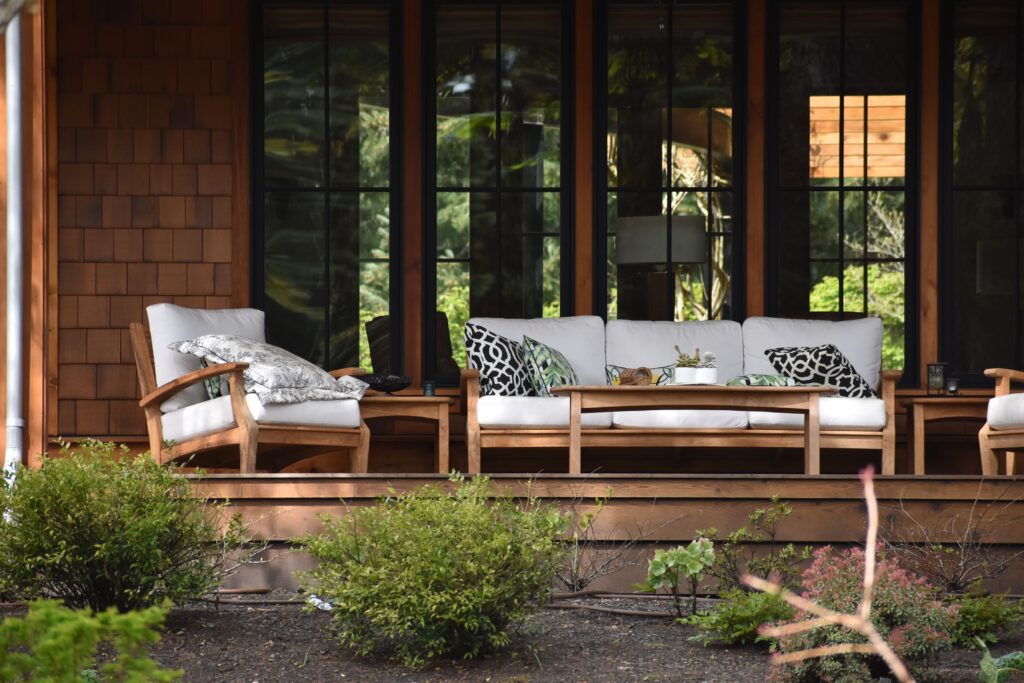
On a quiet summer evening in Glen Burnie, the Wilson family sat around their newly built patio, string lights casting a warm glow as laughter filled the air. It was more than just a backyard, it was their personal retreat, a space designed to bring people together without ever leaving home. Across Maryland, from Annapolis to Columbia, more families and property owners are realizing the growing value of such spaces. The demand for decks and patios in Maryland has surged, not only as a way to enhance curb appeal but also to create year-round outdoor living that feels both functional and luxurious.
As 2026 approaches, new design trends are reshaping how homeowners and real estate investors in places like Bowie, Silver Spring, and Bethesda think about outdoor comfort. Materials are becoming more sustainable, layouts more versatile, and technology more integrated into exterior spaces. For property managers and developers, understanding these changes isn’t just about style, it’s about increasing property value and attracting buyers or tenants seeking modern outdoor experiences.
In this article, we’ll explore seven innovative trends redefining decks and patios in Maryland for 2026, ideas that turn ordinary backyards into stunning extensions of the home and investments that truly pay off.
Key Takeaways
1. Outdoor living is evolving: The latest trends in decks and patios in Maryland highlight multi-functional spaces that serve as true extensions of the home, blending aesthetics, convenience, and durability.
2. Local climate matters: Choosing materials suited to Maryland’s humidity, seasonal rains, and varying temperatures ensures long-term performance and minimal maintenance.
3. Planning and permits are essential: Every city, from Annapolis to Rockville, has specific regulations. Proper design, permitting, and professional oversight prevent costly delays or future legal issues.
4. Drainage and structure define durability: A strong foundation and efficient water management are key factors in preserving structural integrity and preventing surface damage.
5. Smart and sustainable design leads the way: Energy-efficient lighting, recycled materials, and eco-conscious layouts define the most valuable outdoor upgrades for 2026.
6. Personalization adds value: Features like fire pits, shaded dining zones, and smart lighting transform ordinary spaces into high-demand amenities that boost property value.
7. Maintenance ensures longevity: Regular inspections, cleaning, and proper sealing keep decks and patios visually appealing and structurally sound.
8. Professional guidance pays off: Working with experienced local contractors ensures that decks and patios in Maryland meet aesthetic goals, safety codes, and long-term investment expectations.
The Rise of Functional Outdoor Spaces
Decks and patios in Maryland have evolved far beyond simple wooden platforms or paved sitting areas. They’re now seamless extensions of indoor living, complete with kitchens, fire features, eco-friendly materials, and smart technology. In cities like Crofton and Rockville, homeowners are recognizing the value of transforming underused yards into livable spaces that can be enjoyed across all seasons.
This shift is especially important for property managers and real estate owners. A well-designed deck or patio can increase property value by as much as 10% while enhancing aesthetic appeal and functionality. Whether it’s a family home in Arnold or a rental property in Bethesda, modern outdoor spaces attract buyers and tenants looking for comfort and connection with nature.
Sustainable and Low-Maintenance Materials
Maryland’s climate, humid summers and snowy winters, calls for durable surfaces. Composite decking, recycled stone, and eco-friendly pavers are trending for 2026, offering the look of natural wood without the yearly maintenance. Homeowners in Annapolis, for example, are embracing these sustainable options to cut long-term costs and environmental impact.
Multi-Zone Layouts for Every Lifestyle
People are moving away from single-use patios. The latest decks and patios in Maryland integrate zones for cooking, dining, lounging, and even home offices. In Bowie, outdoor living areas now feature pergolas with retractable canopies and hidden charging stations to support modern multitasking lifestyles.
Integrated Lighting and Smart Features
From motion-sensing pathway lights in Silver Spring to weather-controlled sound systems in Rockville, technology is making outdoor living convenient and safe. Smart lighting boosts ambiance while adding security, a major consideration for homeowners and property managers alike.
Fire and Water Elements for Year-Round Enjoyment
Nothing elevates outdoor comfort like warmth in winter and tranquility in summer. Fire pits, planters with integrated heaters, and small waterfalls are among the most popular design elements shaping decks and patios in Maryland for 2026.
In essence, outdoor living is becoming a lifestyle statement. For Maryland property owners, investing in these trends means creating lasting spaces that enhance both quality of life and long-term property value.
Step-by-Step Guide to Building Modern Decks and Patios in Maryland
Creating a stylish, durable, and sustainable outdoor living area requires more than just picking materials, it’s a process that blends creativity with technical precision. Whether it’s a family home in Glen Burnie or a rental property in Bethesda, following a structured plan ensures that decks and patios in Maryland meet local building codes, climate demands, and lifestyle needs. Below are the essential steps every contractor and property owner should follow for successful results.
Step 1: Preliminary Site Evaluation
Before any design work begins, a thorough site assessment determines what’s possible. Contractors inspect soil type, drainage, existing landscaping, and sun exposure. For example, a sloped backyard in Arnold might require reinforced footings, while a shaded lot in Rockville may need moss-resistant pavers.
| Evaluation Factor | Why It Matters | Example Location |
| Soil condition | Affects footing stability and drainage | Crofton |
| Shade/sun pattern | Influences materials and comfort | Bethesda |
| Accessibility | Determines space planning and entryways | Silver Spring |
| Drainage route | Prevents water pooling and surface damage | Annapolis |
A clear assessment sets the foundation for safety and performance, ensuring the project complements the home and the terrain.
Step 2: Design and Concept Development
Once the site data is gathered, designers create layouts that reflect both functionality and aesthetics. Maryland homeowners today favor multi-use layouts, zones for dining, lounging, or entertaining.
In Bowie, for instance, families often request open deck areas with built-in benches, while rental property managers in Columbia prefer covered patios that require little upkeep. Advanced rendering tools allow clients to visualize how these spaces interact with their homes before any construction begins.
Key considerations during design:
· Compatibility with home architecture
· Placement of utilities (gas, electricity, water)
· Integration of lighting, smart systems, and privacy elements
· Compliance with Maryland’s local zoning and setback regulations
Step 3: Obtaining Permits and Approvals
Each city, from Annapolis to Potomac, has its own regulations regarding decks and patios in Maryland. Contractors must secure building permits, layout inspections, and in some cases, homeowners’ association approval. Neglecting this step can lead to costly fines or mandatory redesigns.
| City | Key Permit Considerations | Average Approval Time |
| Glen Burnie | County-level building and stormwater permits | 2–4 weeks |
| Bowie | Height and setback limitations | 3–5 weeks |
| Rockville | Electrical and lighting inspection | 2–3 weeks |
| Columbia | HOA architectural review | 3–6 weeks |
Professional contractors often handle this process on behalf of clients, streamlining the timeline and ensuring compliance from the start.
Step 4: Material Selection and Cost Planning
Selecting the right materials is essential to achieving the modern look and durability expected for 2026 outdoor trends. Composite decking, stamped concrete, porcelain tiles, and aluminum railings are common choices. Sustainability continues to influence decisions, especially in environmentally conscious areas like Annapolis and Bethesda.
Cost efficiency must also be balanced with aesthetics and longevity. Property managers in Silver Spring, for example, often choose composite decks due to their low maintenance and long lifespan.
Pro tip: Factor in future maintenance. Materials that require fewer sealants and less cleaning ultimately save thousands over time.
Step 5: Structural Preparation and Construction
After planning and permits, the physical work begins. Contractors start with the foundation, posting frames or concrete pads, paying close attention to leveling, drainage, and load-bearing requirements. Maryland’s varying landscape means decks may need reinforced foundations or frost-protected footings.
· Deck framing: Set with pressure-treated lumber or steel supports for stability.
· Patio base: Layered with crushed stone and compacted sand to prevent shifting.
· Drainage systems: French drains or slope grading direct water away from the structure.
Attention to these details ensures durability despite Maryland’s humidity and freeze-thaw cycles.
Step 6: Detailing, Finishing, and Utilities
Once the main structure is secure, it’s time to add defining features. Homeowners in Potomac might opt for LED stair lighting and a gas fire table, while restaurant patios in Rockville integrate overhead heaters and misting fans. This stage also covers electrical wiring, gas line installation, railing systems, and waterproof coatings.
Contractors should conduct a full system test, checking lighting connections, inspecting safety rails, and ensuring surfaces are slip-resistant. Every component must align with both safety codes and the desired design vision.
Step 7: Quality Inspection and Handover
After completion, a professional inspection validates the craftsmanship, material integrity, and compliance with municipal codes. A walk-through with the client ensures every specification has been met, from sealing joints to verifying electrical safety.
For property managers, documentation of materials and warranties is critical for future maintenance or tenant transitions. Many Maryland contractors provide maintenance schedules and product guarantees to extend the lifespan of the installation.
Step 8: Maintenance and Seasonal Care
Finally, designing an ongoing care plan keeps the investment performing beautifully. Cleaning decks before winter, inspecting joints for wear, and sealing pavers every few years prevents long-term damage.
In regions with frequent snow, like Crofton or Silver Spring, using calcium-free ice melt protects surfaces from deterioration. For high-humidity areas such as Annapolis, periodic mold treatments ensure a clean finish.
Following these structured steps ensures that decks and patios in Maryland don’t just meet 2026 design expectations but exceed them, offering lasting beauty, comfort, and value for homeowners and property investors across the state.
Knowing a few professional tips can make a big difference when it comes to building or maintaining decks and patios in Maryland. Proper planning and care not only extend the life of these outdoor spaces but also help homeowners and property managers in cities like Annapolis, Columbia, and Bethesda save money and avoid costly repairs.
Tips for Better Results:
- Choose materials for the local climate. Composite or pressure-treated wood resists humidity in Silver Spring, while porcelain pavers perform well in coastal Annapolis.
- Incorporate shade and ventilation. Pergolas, umbrellas, or retractable awnings keep surfaces cool and comfortable during hot Maryland summers.
- Pay attention to drainage. Even slight slopes prevent puddles that can damage the foundation over time.
- Seal and clean regularly. Annual sealing and mild soap cleaning preserve finishes, especially in wooded areas like Crofton or Arnold.
- Inspect joints and fasteners. Seasonal checks ensure stability, avoiding loose boards or corrosion.
- Integrate lighting with maintenance in mind. Use easy-access LED fixtures that withstand changing weather.
By following these practical steps and maintaining consistent care, property owners can ensure their decks and patios in Maryland stay attractive, safe, and durable year after year.
Key Concepts to Understand Before Designing Decks and Patios in Maryland
For homeowners, property managers, and investors across cities like Annapolis, Bowie, Rockville, and Bethesda, understanding the essential concepts behind decks and patios in Maryland can determine whether a project becomes an effortless success or a recurring maintenance challenge. These key ideas help align expectations, improve planning decisions, and ensure that both functionality and beauty hold up through Maryland’s diverse seasonal conditions.
Load-Bearing Capacity and Structural Integrity
Every outdoor structure must support a safe amount of weight. For decks, the framework includes beams, joists, and footings designed to distribute loads evenly. Maryland’s freeze-thaw cycles and heavy rain demand reinforced supports. For example, properties in Glen Burnie with clay soils may require deeper concrete footings, while those in Bethesda benefit from steel post anchors to prevent shifting.
| Component | Function | Maryland Consideration |
| Joists | Support deck boards | Use treated lumber resistant to humidity |
| Footings | Anchors deck to ground | Depth adjusted for frost line variations |
| Beams | Carry main structural load | Must meet county-specific load requirements |
Proper load planning isn’t just a safety measure, it ensures longevity even under frequent family gatherings or commercial use in rental buildings.
Material Resistance and Local Climate Adaptation
When planning decks and patios in Maryland, choosing materials that suit the state’s weather patterns is critical. The Chesapeake Bay influences moisture levels, meaning surfaces are often exposed to humidity, salt air, and UV sunlight.
· Composite decking: Ideal for urban environments like Silver Spring; resists mold and fading.
· Pressure-treated wood: Common in Arnold but requires maintenance to prevent warping.
· Concrete and porcelain pavers: Favored in Annapolis for coastal durability and design flexibility.
A well-informed material choice reduces upkeep costs and ensures the outdoor area continues to look pristine year-round.
Drainage and Water Management Systems
Even the most attractive outdoor design can fail without proper drainage. In Maryland’s frequent rain seasons, decks and patios should include slopes and runoff systems that redirect water safely.
In Crofton, where backyards often border natural slopes, a gravel base or French drain helps prevent flooding. For flat properties in Rockville, hidden gutter channels between deck boards are effective in moving water away.
| Drainage Technique | Suitable City | Key Advantage |
| French drains | Crofton, Bowie | Efficient moisture control |
| Sloped concrete patios | Annapolis | Prevents ponding near foundations |
| Integrated gutter systems | Rockville | Invisible and low maintenance |
Good drainage is non-negotiable, it protects your investment and keeps surfaces safe and slip-resistant.
Thermal Comfort and Shade Integration
As outdoor spaces become year-round extensions of the home, temperature control becomes essential. Smart design includes shading elements that reduce heat buildup in summer and retain warmth in cooler months.
Property owners in Potomac often choose pergolas with adjustable louvers or automated awnings, while homeowners in Columbia prefer natural canopy shading with trees and climbing plants. Heat lamps or built-in fire features maintain usability through chilly fall evenings.
Combining these comfort elements with Maryland’s architectural styles creates versatile, livable spaces that feel welcoming every season.
Lighting and Smart Technology Integration
The evolution of decks and patios in Maryland includes a strong emphasis on integrated technology. Smart lighting, Wi-Fi-enabled sound systems, and automated irrigation extend convenience beyond day use.
For instance, an Annapolis waterfront deck might use marine-grade fixtures and color-changing LEDs controlled by a smartphone app. Meanwhile, a Silver Spring property manager might install motion-activated solar lights along pathways for tenant safety.
Efficient electrical planning ensures that all fixtures remain weatherproof, low-voltage, and serviceable without major disruptions.
Sustainable Design Practices
Sustainability is a defining theme for 2026 trends. Many homeowners and builders in Bowie and Arnold are turning to eco-friendly materials like recycled composite boards or permeable pavers. These allow rainwater infiltration, reducing runoff and supporting Maryland’s stormwater management goals.
Contractors also encourage local sourcing of stone and wood to minimize carbon emissions. Green roofs and planter walls not only improve air quality but enhance aesthetic harmony between built and natural environments. Choosing sustainable solutions adds long-term property value while contributing positively to community standards.
Legal, Safety, and Code Compliance
Maryland’s construction codes vary by county, and knowing the rules helps avoid legal issues. The state enforces regulations on railing height, stair spacing, load limits, and proximity to property lines. Property owners in Columbia or Bethesda often rely on licensed contractors familiar with regional restrictions and permitting processes.
Building within code ensures inspection success and faster resale transactions since compliant structures add credibility and market confidence.
Maintenance Strategy and Lifecycle Planning
Even with high-quality construction, outdoor living spaces require care. Establishing a preventive schedule, cleaning, sealing, and hardware checks, ensures functionality and safety.
Property managers in Glen Burnie might schedule biannual inspections, while Annapolis homeowners may add a spring deep-cleaning regimen after pollen season. Knowing the maintenance cycles from the beginning helps plan budgets efficiently and avoids unexpected repairs.
Understanding these key concepts equips Maryland property owners to make smart, informed decisions before starting any project. When design, materials, and craftsmanship align with local conditions, decks and patios in Maryland become more than outdoor additions, they become enduring, functional investments in lifestyle and property value.
Frequently Asked Questions About Decks and Patios in Maryland
- How long do decks and patios typically last in Maryland’s climate?
With proper materials and maintenance, decks and patios in Maryland can last 20 to 30 years. Composite decking in places like Columbia or Rockville often outlasts traditional wood, while stone or concrete patios in Annapolis can remain sturdy for decades if sealed and cleaned regularly.
- Do I need a permit to build a deck or patio?
Yes, most Maryland counties require permits. Each city, such as Bowie or Glen Burnie, has specific size and height regulations, and some neighborhoods, especially in Potomac or Columbia, also request HOA approval before construction.
- What’s the best material for year-round use?
Composite and PVC materials perform best for decks due to humidity and temperature changes, while textured concrete or porcelain tiles work well for patios, especially in coastal or shaded areas.
- How can I make my outdoor space more energy-efficient?
Use LED lighting, solar-powered fixtures, and sustainable materials. In Bethesda or Silver Spring, homeowners often pair energy-efficient lighting with smart sensors to reduce waste.
- What is the ideal time of year to start construction?
Spring and early fall offer favorable weather, giving contractors in Crofton or Arnold enough time for construction before heavy rain or cold temperatures.
- How can property managers extend the life of existing decks and patios?
Regular inspections, prompt replacement of damaged boards, and gentle cleaning solutions are key. Many property managers in Bowie schedule annual maintenance before winter to prevent long-term wear.
- Are there design options that increase resale value?
Absolutely. Multi-zone decks and covered patios, popular across Maryland in 2026, attract buyers looking for outdoor functionality and comfort.
Whether you’re upgrading or starting fresh, using durable materials and professional planning ensures your decks and patios in Maryland deliver long-lasting beauty and value.