
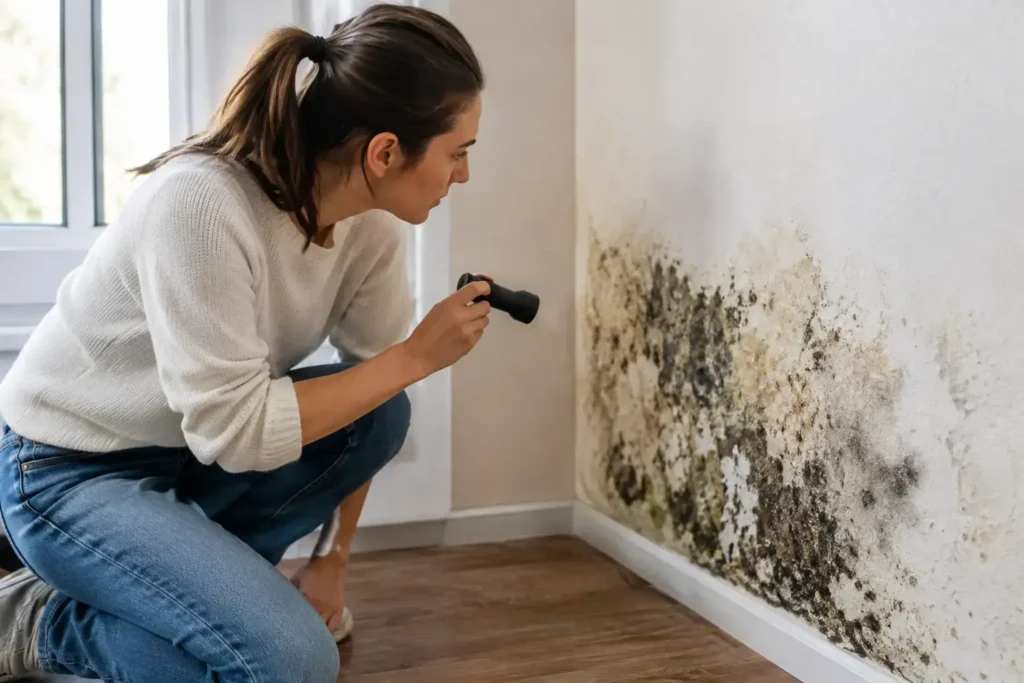
A small leak behind a wall can become a much larger claim if moisture sits unnoticed for days or weeks. So, does homeowners insurance cover mold? Sometimes – but mold itself is rarely the only question. Insurers typically look first at what caused the moisture, how quickly the damage was discovered, and what your specific policy says about mold-related damage.
For Maryland property owners, the most helpful first step is to stop the water source, document what you can safely see, and get the affected area professionally assessed and dried. Fast action can limit damage to drywall, flooring, insulation, and structural materials while creating a clear record of the loss.
Table of Contents
ToggleWhen Does Homeowners Insurance Cover Mold?
Homeowners insurance may help cover mold remediation when the mold resulted from a sudden, accidental event that the policy covers. A burst supply line, an appliance hose failure, or water released by a sudden plumbing leak are common examples where coverage may be considered.
The key distinction is usually the event behind the mold. If covered water damage occurs and mold develops despite a prompt response, the policy may cover some or all of the reasonable mitigation, remediation, and repairs. Many policies set a separate dollar limit for mold, fungi, wet rot, or bacteria, even when the original water event is covered.
Coverage also varies by carrier, policy form, endorsements, exclusions, deductibles, and the facts of the loss. Read your policy language and speak with your insurance representative or adjuster before assuming a particular expense is covered.
A typical potentially covered scenario
Imagine a washing machine supply line breaks while you are away for the afternoon. Water reaches the laundry room floor, seeps into nearby walls, and is discovered that evening. A restoration team extracts water, installs drying equipment, monitors moisture, and finds mold growth inside a wall cavity during necessary removal of wet drywall.
Because the damage stemmed from a sudden water release and was addressed promptly, the resulting mold work may be part of a covered claim, subject to the policy’s limits and deductible. Proper documentation of the source, affected materials, moisture readings, drying process, and repair scope can make the claim easier to evaluate.
When Mold Damage Is Often Excluded
Mold tied to long-term moisture problems is more likely to be excluded. Insurers may view ongoing leaks, repeated water intrusion, unresolved humidity issues, or damage that developed gradually as maintenance-related rather than sudden and accidental.
For example, staining beneath a bathroom vanity that has slowly worsened for months, mold around a window with recurring rain intrusion, or growth in a basement that has remained damp over multiple seasons may not qualify for standard homeowners coverage. Even if the mold is extensive, the original cause and timeline still matter.
Other situations can be more complicated. Water entering from outside during a storm may involve separate exclusions or coverage requirements, particularly if flooding is involved. Sewer or drain backups may require a specific endorsement. Water that originated from a fire-suppression effort may be evaluated differently from water caused by a plumbing failure. The policy and cause of loss determine the path forward.
Why a Fast Response Matters After Water Damage
Mold can begin growing when wet materials remain damp, which is why a visible puddle is not the only concern. Water can travel under flooring, behind baseboards, into insulation, and through wall cavities. A room may look dry while building materials still hold damaging moisture.
Professional water mitigation focuses on more than removing standing water. The process should include locating the water source, identifying affected materials, extracting water, setting appropriate drying equipment, monitoring moisture levels, and documenting conditions throughout the project. If mold is already present, containment and controlled removal help prevent unnecessary disturbance of affected materials.
Prompt mitigation is also practical for insurance purposes. It demonstrates that reasonable steps were taken to prevent additional damage. Keep photos and videos from the initial discovery, save damaged items when safe to do so, record the date and time of the event, and retain invoices and reports from mitigation work.
What to Do if You Find Mold After a Leak
Do not wait for a coverage decision before addressing active water or unsafe conditions. The immediate goal is to prevent further damage while preserving the information your insurer may need.
First, stop the water source if you can do so safely. If water is near electrical outlets, appliances, or a ceiling that appears to be sagging, keep people away from the area and seek professional help. Take clear photos and videos of visible water, damaged materials, and the apparent source before cleanup begins when possible.
Next, report the loss to your insurer and ask about the claim process, deductible, mold limitations, and any documentation they need. Avoid throwing away damaged materials until your insurer or restoration professional has had an opportunity to document them, unless removal is necessary to control active damage.
Then arrange for a qualified restoration assessment. An experienced team can identify moisture that is not visible, create a mitigation plan, and document drying and remediation work. For larger or more complex mold conditions, work should follow recognized industry practices, including applicable IICRC standards.
What Mold Remediation May Include
Mold remediation is not simply spraying a product on a discolored area. The scope depends on the moisture source, the materials affected, the extent of growth, and whether mold is contained within accessible surfaces or hidden behind finishes.
A professional project may involve isolating the work area, using air filtration equipment, removing unsalvageable porous materials, cleaning appropriate structural surfaces, drying the affected area to target moisture levels, and completing necessary repairs once conditions are stable. The goal is to address the moisture problem and remove affected materials correctly, not merely cover visible signs.
This distinction matters for a claim as well. A detailed estimate should separate emergency mitigation, mold remediation, and reconstruction where applicable. Clear project photos, moisture documentation, and itemized scopes help property owners and insurance professionals understand what happened and why each step was needed.
Does a Mold Endorsement Change Coverage?
Some homeowners policies offer optional endorsements that increase coverage for mold-related damage or provide a higher limit than the standard policy. Whether an endorsement helps depends on its wording and on the underlying cause of loss. It may not override exclusions for flooding, repeated seepage, neglect, or other non-covered events.
If your property has had prior water losses, an older plumbing system, a history of basement moisture, or areas where a concealed leak could go unnoticed, reviewing your available limits with your insurance professional can be worthwhile. The best time to understand coverage is before a loss, not while water is spreading through the property.
Help With Documentation, Drying, and Repairs
A mold concern often starts with a water emergency, then becomes a reconstruction project once wet or affected materials must be removed. Coordinating those stages helps reduce delays and protects the condition of the property.
Vinis Renovation & Restoration helps Maryland homeowners and property managers respond to water damage, document affected areas, perform structural drying and mold remediation, and complete repairs after a loss. Our team treats each home with care, communicates clearly throughout the work, and can provide the documentation needed for insurance claim discussions.
Frequently asked questions
Will homeowners insurance pay for mold testing?
It may, particularly when testing is necessary to evaluate a covered water loss, but policies and claim decisions differ. Ask your adjuster what documentation or assessment they require before authorizing additional services.
Is mold from a burst pipe covered?
It can be, if the burst pipe and resulting water damage are covered under the policy and the loss was reported and mitigated promptly. Mold sublimits, deductibles, and exclusions may still apply.
Can I clean mold myself before filing a claim?
For a small, contained area, property owners may be tempted to clean it immediately. However, if the source is unknown, the area is large, or materials are wet or damaged, professional documentation and assessment can be more appropriate. Removing evidence too early can also make it harder to show the extent and cause of damage.
When mold follows water damage, the most useful question is not only whether insurance covers it. It is whether the moisture source has been stopped, the hidden damage has been identified, and the property is being dried and restored with the care it deserves.