A burst supply line at 2 a.m., a flooded basement after heavy rain, or smoke damage after a kitchen fire creates the same immediate question: who can actually take control of the situation? Searching for the best Glen Burnie restoration companies should lead to more than a contractor who can remove wet carpet or board up an opening. You need a team that can respond quickly, explain what is happening, document the damage, and carry the work through to a properly restored property.
Property damage gets more complicated when the first steps are delayed or incomplete. Water can migrate behind walls and beneath flooring. Smoke residue can remain in places that are easy to overlook. Mold concerns can grow when moisture is not identified and corrected at the source. The right restoration company helps reduce those risks while giving you clear answers during a stressful time.
Table of Contents
ToggleWhat Sets the Best Glen Burnie Restoration Companies Apart
The strongest restoration providers are built for the full scope of a loss, not just the first emergency visit. Fast response matters, especially with water, sewage, and fire-related damage, but speed without a plan can leave a property with hidden moisture, unfinished repairs, or confusing next steps.
Look for a company that provides emergency mitigation and reconstruction under one coordinated process. That means the same team can assess the damage, remove water or damaged materials, dry the structure, document conditions, prepare repair information, and complete the rebuilding work. This approach limits handoffs between separate vendors and gives the property owner a clearer point of contact.
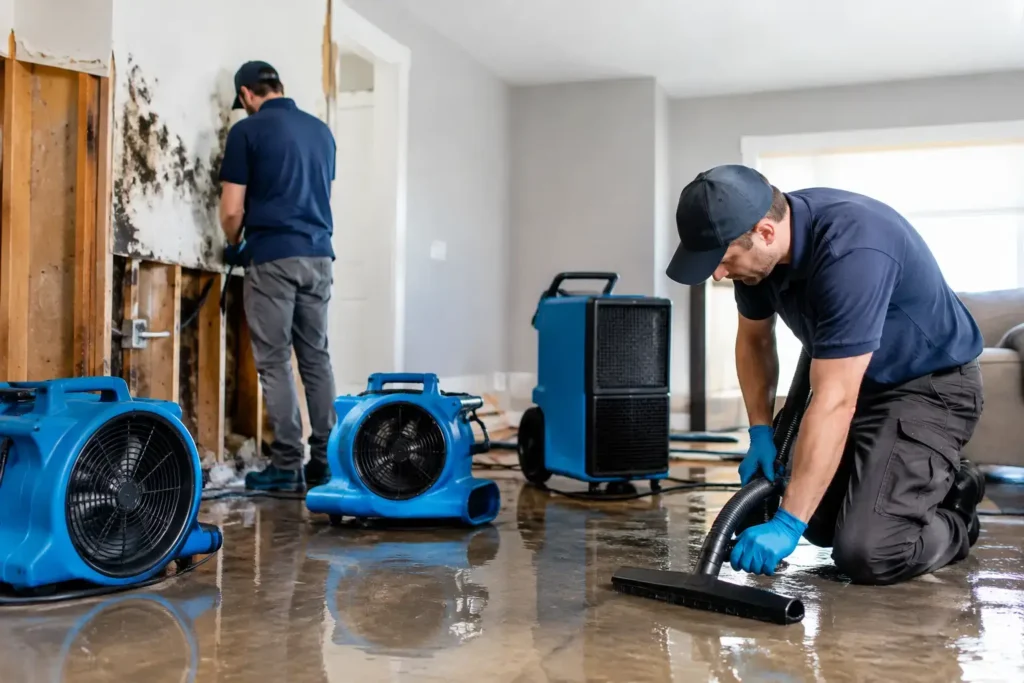
For Glen Burnie homeowners, landlords, and business owners, local responsiveness also matters. A restoration team familiar with Maryland properties and common regional water intrusion issues can arrive prepared with extraction equipment, air movers, dehumidifiers, moisture meters, and containment materials when conditions call for them.
Emergency Availability Is More Than Answering the Phone
A company may advertise emergency service, but ask what happens after you call. Can the team dispatch promptly? Will they explain immediate safety steps? Do they have the equipment and trained personnel to begin extraction and structural drying rather than simply inspect and schedule work later?
In a water emergency, the first hours can affect how much material can be saved. A professional crew should identify the source when possible, help protect unaffected areas, remove standing water, and begin measuring moisture in materials that may not look wet. Drying is not just placing fans in a room. It requires a plan based on the affected materials, the extent of moisture, and ongoing readings that show whether conditions are improving.
Compare Restoration Companies by the Work They Actually Perform
Not every property loss needs the same response. A small appliance leak may require localized drying and minor repairs. A sewage backup, storm-related flood, or multi-room water loss calls for a more involved cleanup process and careful handling of affected materials. Fire damage can involve emergency securing, smoke and soot cleanup, odor concerns, water damage from firefighting efforts, and reconstruction.
When comparing restoration companies, ask for a plain-language explanation of their process for your type of loss. A dependable provider should be able to explain what they see, what work is urgent, what may need further evaluation, and what the next steps will look like.
Water Damage and Structural Drying
Water damage restoration should begin with stopping or controlling the source when possible, followed by extraction and moisture assessment. The visible water is only part of the problem. Moisture may travel under baseboards, into wall cavities, below flooring, or into insulation.
A qualified team uses professional drying equipment and moisture-monitoring tools to track the affected structure. They should communicate whether materials can be dried in place, need to be removed, or require additional inspection. This is especially important after a pipe break, roof leak, washing machine overflow, or flooded basement, where hidden moisture can create larger repair needs if ignored.
Fire, Smoke, and Soot Damage
After a fire, the property may look stable while still needing specialized attention. Soot can spread beyond the room where the fire started, and smoke residue can affect walls, ceilings, contents, and HVAC-adjacent areas. Water used to extinguish the fire can also create separate drying concerns.
Ask whether the company can assess fire, smoke, and water-related damage together. The work may include securing damaged areas, removing unsalvageable materials, cleaning affected surfaces using appropriate methods, addressing odors, and coordinating reconstruction. Careful documentation is valuable here because conditions can change as cleanup progresses.
Mold Concerns and Moisture Sources
Mold remediation should not be treated as a surface-cleaning task. The key question is why moisture is present and whether the affected materials can be cleaned, dried, or need removal. A professional assessment should focus on visible growth, moisture conditions, the extent of the affected area, and the underlying water intrusion issue.
Be cautious of any company that promises a universal solution without inspecting the property. The appropriate scope depends on the materials involved, the amount of moisture, and whether the source has been corrected. Proper containment and cleaning practices help prevent unnecessary spread during the work.
Documentation and Insurance Communication Can Reduce Stress
Most property owners do not deal with restoration claims often. A company does not decide coverage, but an experienced restoration team can make the process easier by documenting the loss clearly, preparing detailed estimates, taking project photos, and communicating professionally with insurance representatives when requested.
Ask how the company records moisture readings, damaged materials, emergency services, and repair recommendations. Good documentation supports a clearer picture of the loss and helps avoid misunderstandings between mitigation, repairs, and claim-related discussions.
You should also expect transparent communication about the work itself. Before major demolition or reconstruction begins, the contractor should explain the proposed scope, the expected sequence of work, and any conditions that could affect the timeline. Restoration projects sometimes reveal concealed damage after materials are opened. That does not always mean something was missed initially, but it should be communicated promptly and documented carefully.
Why Reconstruction Capability Matters After Cleanup
Emergency cleanup is only the first stage of restoring a property. Once drying, cleanup, or remediation is complete, walls, flooring, trim, ceilings, cabinetry, and other damaged components may need repair or replacement. Using separate mitigation and repair contractors can work, but it often creates gaps in communication and responsibility.
A restoration company with reconstruction capability can manage the transition from damage cleanup to finished repairs. The team that documented the initial loss understands which materials were removed, what needs to be rebuilt, and how to return the affected space to a safe, functional condition. This can be particularly helpful for property managers and business owners who need a clear schedule and a single accountable team.
Vinis Renovation & Restoration provides this end-to-end approach for Glen Burnie property owners, from 24/7 emergency response and moisture management through repairs and complete reconstruction. The goal is not simply to clean up the visible damage. It is to help restore the property with care, clear communication, and quality workmanship.
Questions to Ask Before You Hire
Before authorizing work, ask whether the company can respond immediately, what mitigation steps they recommend, and how they will verify drying or cleanup progress. Ask who will be your primary contact and whether the same company can complete both emergency services and repairs.
It is also reasonable to ask about training, equipment, documentation practices, and experience with insurance-related property damage. A trustworthy provider welcomes these questions. They should not pressure you into a vague scope or leave you uncertain about what is being done in your property.
Frequently Asked Questions
Should I wait for an insurance decision before starting water cleanup?
In many cases, waiting can allow damage to worsen. Emergency mitigation may be necessary to protect the property and prevent additional deterioration. Document the damage, keep records of conversations and work performed, and speak with your insurer about your claim and policy requirements. A restoration company can assist with damage documentation, but coverage decisions remain with the insurance carrier.
Can wet drywall or flooring always be saved?
It depends on the type of water, how long materials have been wet, the extent of saturation, and whether drying can be verified. Some materials can be dried successfully, while others may need removal to address contamination, deterioration, or trapped moisture.
How long does structural drying take?
The timeline varies with the amount of water, materials affected, humidity, temperature, and how quickly mitigation begins. A professional team should monitor moisture conditions and adjust equipment as needed rather than promise the same timeline for every loss.
When your property has been damaged, the best choice is a restoration partner that treats the emergency with urgency and the finished work with craftsmanship. Ask clear questions, expect clear answers, and choose a team prepared to stay with you from the first call through the final repair.