
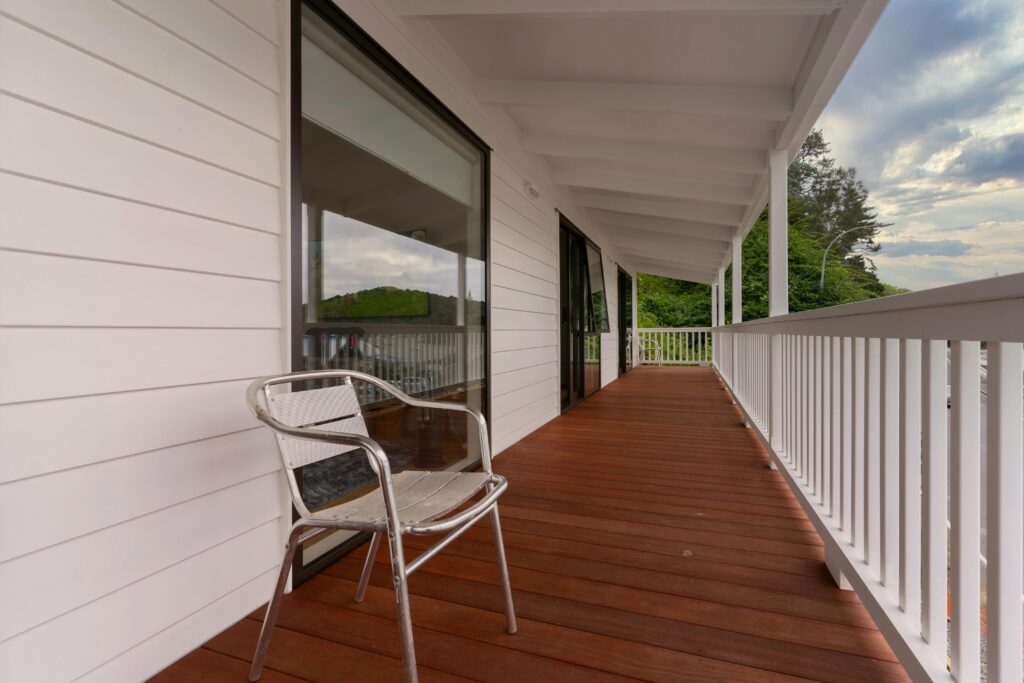
This article explores decks and patios design to help homeowners turn a backyard into a comfortable, stylish outdoor retreat—perfect for relaxing, hosting friends, or enjoying quiet mornings. Many people want that “extension of the home” feeling but aren’t sure where to begin or how to balance comfort with aesthetics. You’ll learn how smart layouts, the right materials, and well-chosen design elements create a space that fits your lifestyle. Great deck and patio design goes beyond choosing flooring and adding chairs—it’s about blending your personal taste with natural surroundings and practical needs. From seating plans that encourage easy conversation to weather-resistant materials that stay beautiful through every season, each detail plays a role in creating an inviting, functional outdoor living area.
By the end of this guide, you will:
– Understand how to optimize space efficiently while maintaining flow and ease of movement.
– Learn which materials best suit your climate and desired maintenance level.
– Discover how lighting and landscaping are crucial in enhancing both comfort and style.
– Get inspired by design ideas that blend modern trends with timeless appeal.
Whether you envision a sleek, minimalist deck with clean lines or a classic stone patio infused with greenery, these decks and patios design tips will empower you to create a versatile and inviting outdoor environment. Your dream retreat is closer than you think , and it starts with intentional design choices that reflect who you are and how you want to live.
Let’s explore how you can transform your outdoor space into a comfortable and stylish sanctuary that feels like home from the very first step.
Key Takeaways
- Great outdoor Design turns a backyard into a true extension of your home for relaxing, entertaining, and daily comfort.
- The best results start with purpose + layout: plan zones for dining, lounging, and circulation so the space flows naturally.
- Material choices shape durability and upkeep—pick options that match your climate and how much maintenance you want.
- Lighting and landscaping complete the Design, adding ambiance, safety, privacy, and a “finished” look day and night.
- Small details matter: seating placement, shade, and weather-resistant finishes can make the space feel premium year-round.
Why Decks and Patios Design Is More Important Than You Think
Deck and patio design isn’t just about looks—it’s about creating a comfortable, functional, and stylish outdoor area that feels like an extension of your home. The right design can improve everyday living, boost property value, and provide the perfect setting for everything from quiet mornings to lively gatherings.
So what does deck and patio design include? In simple terms, it’s the planning and building of outdoor spaces where you can relax, entertain, and enjoy nature. That means choosing the right materials, layout, furniture, lighting, and landscaping to match your lifestyle and personal taste.
This matters more than ever because outdoor upgrades have become a top priority for homeowners. The American Society of Landscape Architects reports that about 75% of homeowners made outdoor improvements in the past year, with decks and patios among the most popular. A well-designed deck or patio can also deliver a strong return—often up to 70% ROI at resale—showing value beyond personal enjoyment.
Take the Johnson family, for example. Their backyard used to be an empty patch of grass. After working with a landscape designer, they added natural wood decking, a built-in stone fire pit, and cozy seating enhanced with warm lighting. The space encouraged more outdoor time together and later impressed buyers, helping them receive an offer above asking price.
Ultimately, great design balances durability and weather resistance with inviting textures, colors, and layouts that support relaxation and socializing—an investment in both happiness and long-term home value.
How to Apply Decks and Patios Design Step by Step for Ultimate Comfort and Style
Designing the perfect deck or patio can transform your outdoor space into a sanctuary of comfort and style. Whether you’re envisioning a cozy reading nook, a lively entertainment area, or a serene garden retreat, mastering decks and patios design is key to bringing your ideas to life. Here’s a detailed, step-by-step guide that will walk you through the essential process of creating a deck or patio that’s not only beautiful but also comfortable and functional.
Step 1: Define Your Purpose and Lifestyle Needs
Before diving into materials, layouts, or colors, take a moment to envision how you’ll use your deck or patio. Are you planning to host large gatherings, or do you prefer quiet family dinners outdoors? Perhaps your priority is a relaxing lounge area with plush seating and firepits.
– List daily use cases: Dining, sunbathing, reading, gardening, or play area.
– Consider climate: Will you need shade, shelter from rain, or heating options?
– Account for accessibility: Ensure easy access from your home and consider mobility needs.
By centering the design on your lifestyle, you guarantee the space will truly serve your comfort and complement your style.
Step 2: Choose the Right Location and Size
Location is everything in decks and patios design. Factors like sunlight, privacy, and yard layout influence where the deck or patio can best fit.
– Sunlight and shade: Observe where the sun hits during different times. Position seating areas accordingly.
– Privacy considerations: Use natural screening like plants or install lattice or privacy panels.
– Space measurement: Sketch your yard’s dimensions, marking utility access and existing plants or features.
Decide the size based on your intended activities, larger for social gatherings, or smaller for intimate settings. Remember, too large may feel overwhelming, too small might not meet your needs.
Step 3: Select Appropriate Materials for Comfort and Style
Material choice affects durability, maintenance, and of course, aesthetic appeal. Here’s a quick overview:
– Wood: Offers natural beauty and warmth. Cedar and redwood resist decay and insects, while composite decking requires less upkeep.
– Stone and pavers: Ideal for patios. Offer a wide range of textures and colors for a customized look.
– Concrete: Versatile and durable, can be stamped or stained to mimic other materials.
– Metal: Often used as accents or railings, adds modern flair.
Ensure the materials complement your home’s architectural style and your personal taste for harmony and style.
Step 4: Design the Layout with Comfort Zones in Mind
A well-designed deck or patio has clearly defined zones that address different functions, enhancing flow and comfort.
– Dining area: Enough space for a table and chairs, easily accessible from the kitchen.
– Lounge zone: Comfy seating with cushions, possibly a coffee table.
– Cooking corners: If including a grill or outdoor kitchen, design for safety and convenience.
– Green spaces: Planters or garden beds add freshness and color.
Use tools like sketches or design software to visualize and adjust zone sizes and transitions.
Step 5: Incorporate Lighting and Ambiance Features
Lighting not only extends usability into the evening but also creates mood and safety.
– Ambient lighting: String lights, lanterns, or mounted fixtures provide soft illumination.
– Task lighting: Focused lights for cooking or reading areas.
– Accent lighting: Highlight plants, architectural features, or pathways.
– Fire features: Fire pits and heaters add warmth and inviting focal points.
Choose energy-efficient bulbs and consider automatic timers for convenience.
Step 6: Add Comfort-Enhancing Accessories
Small details amplify the comfort factor and inject personality into your deck or patio.
– Outdoor rugs: Define zones and add softness underfoot.
– Cushions and throws: Weather-resistant fabrics for color and comfort.
– Shade solutions: Umbrellas, pergolas, or retractable awnings shield from sun and light rain.
– Storage benches: Combine seating with clutter control.
Step 7: Maintenance Planning for Long-Lasting Beauty
Even the most stylish decks and patios need care.
– Regular cleaning: Sweep debris and wash surfaces periodically.
– Inspection: Check for loose boards, cracks, or damage.
– Sealing and staining: Protect wood and maintain vibrancy.
– Furniture care: Store or cover cushions during harsh weather.
With these proactive steps, your outdoor space retains both comfort and curb appeal year-round.
Example Visual Layout
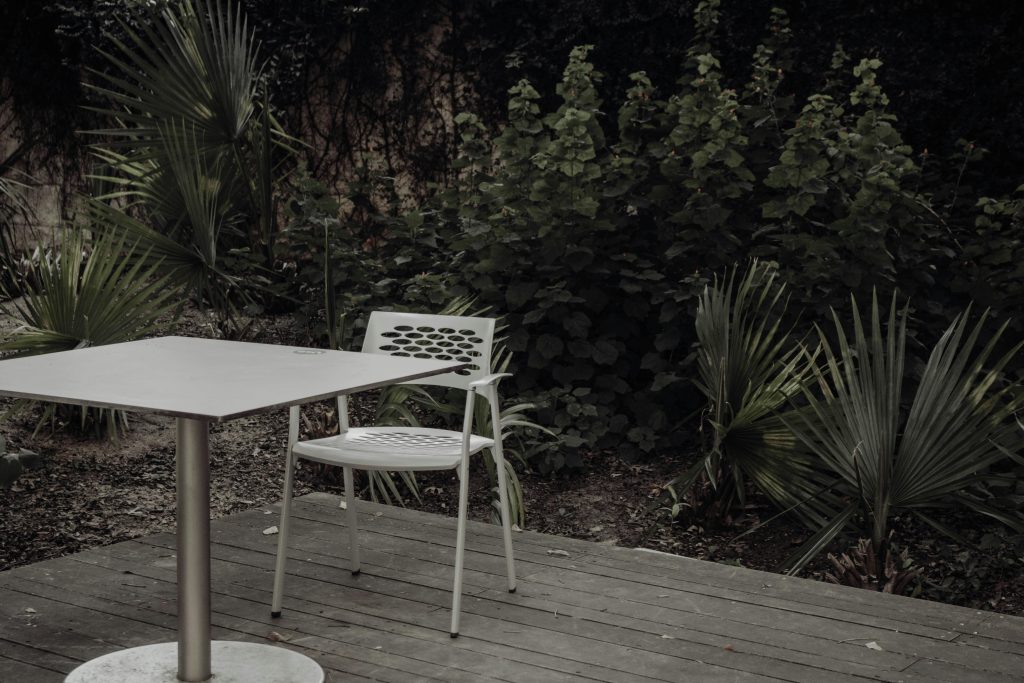
Imagine a rectangular patio divided into three zones:
1. Dining (north side): A 6-seater table beneath a pergola with climbing vines.
2. Lounge area (center): Sectional sofa with vibrant cushions facing a stone firepit.
3. Garden nook (south side): Raised flowerbeds with benches for morning coffee.
Each zone is connected by flagstone walkways and softly illuminated by solar lanterns.
Closing Thought
By following these decks and patios design steps carefully, you’ll craft an outdoor space that truly harmonizes comfort with style. Remember, the best designs respect your unique lifestyle while inviting relaxation and joyful gatherings under the open sky.
Decks and patios design isn’t just about building an outdoor structure, it’s about creating a cherished extension of your home that elevates every moment you spend outside. Ready to start your design journey? Grab a notepad and begin imagining how your dream deck or patio will come to life!
Tips for Decks and Patios Design for Comfort and Style:
✅ Plan Your Layout: Start by measuring your space and mapping out furniture placement to ensure flow and functionality.
✅ Choose Comfortable Seating: Invest in cushioned chairs and sofas made from weather-resistant materials for lasting comfort.
✅ Incorporate Shade Solutions: Use umbrellas, pergolas, or retractable awnings to protect against sun and create cozy shaded areas.
✅ Add Ambient Lighting: String lights, lanterns, and solar-powered fixtures enhance mood and usability after dark.
✅ Use Natural Elements: Incorporate plants, flowers, and natural wood to blend your deck or patio with the surrounding environment.
✅ Select Durable Materials: Opt for composite decking or treated wood that withstands weather and requires minimal upkeep.
✅ Integrate Multi-Functional Features: Include built-in benches with storage or a fire pit that doubles as a centerpiece and heat source.
✅ Reflect Your Style: Choose color schemes, textures, and décor that complement your home’s aesthetic while expressing your personality.
💡 Extra Tip: Create distinct zones – for dining, lounging, and entertaining – to maximize your deck or patio’s versatility and comfort.
❌ Avoid Overcrowding: Leave enough space between furniture pieces to maintain visual openness and ease of movement.
Key Concepts in Decks and Patios Design
When we delve into the world of decks and patios design, we embark on a journey that intertwines function, aesthetics, and the intangible promise of comfort. These outdoor spaces are more than mere extensions of our homes; they are canvases upon which lifestyle and nature converge. To comprehend the essence of decks and patios is to understand their role as a seamless dialogue between human desire and environmental context.
The Language of Space and Flow
At its core, decks and patios design is a language of spatial relationships. Imagine your outdoor area as a symphony, where each element, whether it be seating, greenery, or lighting, plays a distinct note. The flow between these components dictates the experience. Just as a river charts its path through bends and banks, a thoughtfully designed deck guides movement naturally, inviting exploration and tranquility. The subtlety of this flow can transform a chaotic array of outdoor furniture into a harmonious sanctuary.
Comfort as an Environmental Embrace
Comfort transcends mere plush cushions or soft rugs; it is an embrace by the environment itself. Consider how sunlight filters through trees, dappling the surface with warmth, or how a gentle breeze dances with the chimes hung near a patio’s edge. Good decks and patios design leverages these natural forces, crafting a sensory experience. The design becomes a storyteller, weaving tactile pleasure with climatic awareness, allowing occupants not just to exist in the space, but to feel intimately connected with it.
Materiality: The Voice of Texture and Time
Materials hold stories etched in their grains and patinas. Choosing between wood, stone, composite decking, or brick is akin to selecting a voice for your outdoor narrative. Wood, with its organic, ever-evolving texture, speaks of warmth and tradition; stone offers the solidity and permanence of ancient landscapes; composites mix the old and new, blending durability with modernity. These materials age and mature, adding character through time, much like a well-loved novel whose pages accumulate dog-eared memories.
The Symphony of Style
Style in decks and patios design is a delicate dance balancing personal expression and contextual harmony. It moves beyond furniture and finishes, reaching into architectural dialogue with the home itself. Imagine a sleek, minimalistic patio, a blank canvas in urban rhythms versus a rustic, sprawling deck that embraces the wildness of a forested backyard. Each style choice generates an emotional tone, like the melodies of a song, evoking serenity, conviviality, or quiet contemplation.
The Elegant Art of Lighting
Lighting transcends utility in exterior spaces, it sculpts mood and perception. The glow from lanterns, the subtle uplighting of a tree, or the twinkle of string lights overhead create an atmosphere that shifts as day fades. This transition from sun to twilight is the invisible thread stitching day’s end to the evening’s potential. In decks and patios design, lighting acts as a painter’s brush, enhancing textures and contours, crafting shadows that tell stories once the natural light has vanished.
Nature as Co-Designer
In this narrative, nature is not a mere backdrop but an active collaborator. Plants, water features, and the earth itself contribute voices and rhythms, infusing life into the deck or patio. The choice of flora, consider the whisper of tall grasses or the structural poetry of succulents, adds layers of texture and movement. Water, with its reflective surface and calming sounds, serves as a liquid mirror to the sky and a balm for the soul. When nature and design coexist, they create spaces that celebrate the seasons, the weather, and the passage of time.
Scale and Proportion: The Invisible Architects
How big should a deck be? How much patio space is just enough? These are questions of scale and proportion, the invisible architects shaping comfort and usability. Much like a well-composed painting where negative space balances the focal points, outdoor areas require equilibrium. Oversized patios without intimate zones can feel like barren deserts; too small, and they suffocate the potential for social gathering. Finding the right scale ensures that the space invites occupancy without overwhelming it.
Permanence and Flexibility: A Thoughtful Paradox
Lastly, decks and patios design contends with the tension between permanence and flexibility. Decks often embody permanence due to their construction, a firm statement of place. Patios, on the other hand, can embrace adaptability through movable furnishings and seasonal accents. This paradox reflects life’s ebb and flow, our outdoor environments must both anchor us and accommodate change, much like the seasons themselves that cycle with grace and inevitability.
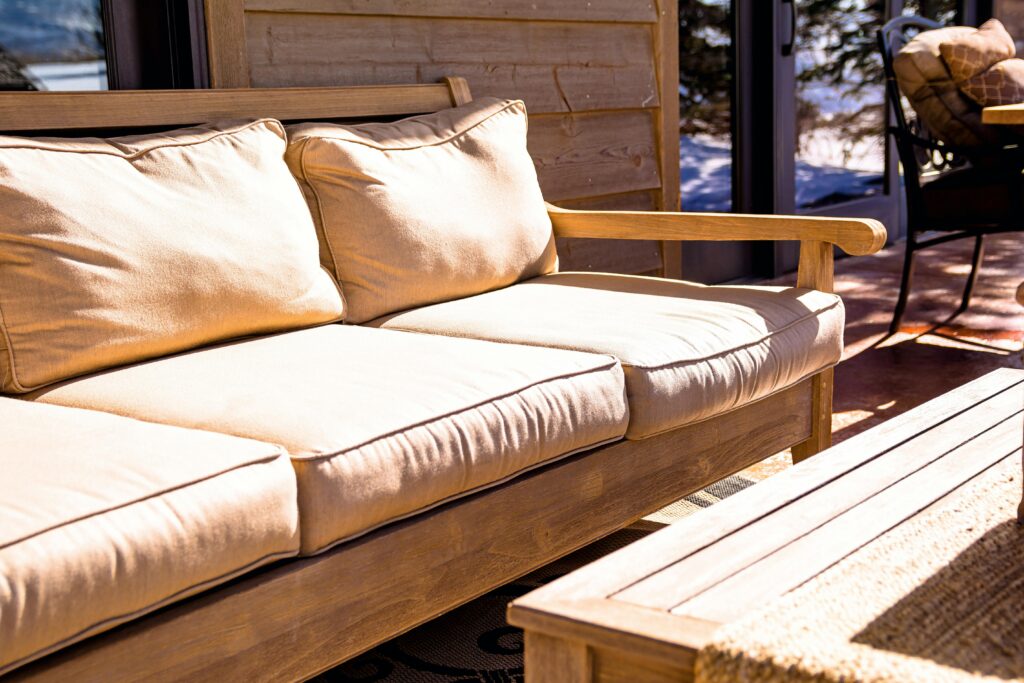
In embracing these foundational concepts, the fluidity of space, the poetry of materials, the choreography of light and nature, and the balance between scale and permanence, decks and patios design reveals itself not just as landscaping, but as a living narrative. It invites us to weave stories of comfort, style, and connection beneath the sky, making every moment outdoors a chapter worth remembering.
Frequently Asked Questions about Decks and Patios Design
❓ What are key design tips for creating a comfortable deck or patio?
Comfort in decks and patios design centers around choosing the right furniture, incorporating shade elements like pergolas or umbrellas, and selecting flooring materials that stay cool and are easy on the feet. Thoughtful lighting and adding greenery also enhance the cozy atmosphere.
❓ How can I combine style and functionality in my deck or patio design?
Balancing style and functionality means selecting durable materials that match your aesthetic preferences while ensuring practical features such as ample seating, storage options, and weather-resistant finishes. Blending textures and colors can create an inviting and stylish outdoor space.
❓ What are popular materials for decks and patios that offer both comfort and durability?
Wood, composite decking, natural stone, and concrete are top choices. Composite decking offers low maintenance and comfort underfoot, while natural stone adds a timeless look. Choosing materials with non-slip and heat-resistant properties improves comfort in various weather conditions.
❓ How important is lighting in decks and patios design?
Lighting is crucial for extending the usability of your outdoor space into the evening. Using layered lighting, including ambient, task, and accent lights, can create a warm and inviting atmosphere while highlighting design features and ensuring safety.
❓ Can I customize my deck or patio to reflect my personal style?
Absolutely! Decks and patios design tips always emphasize personalization. You can incorporate unique furniture pieces, colorful cushions, decorative planters, and themed décor to express your style while maintaining comfort and practicality in your outdoor living area.