
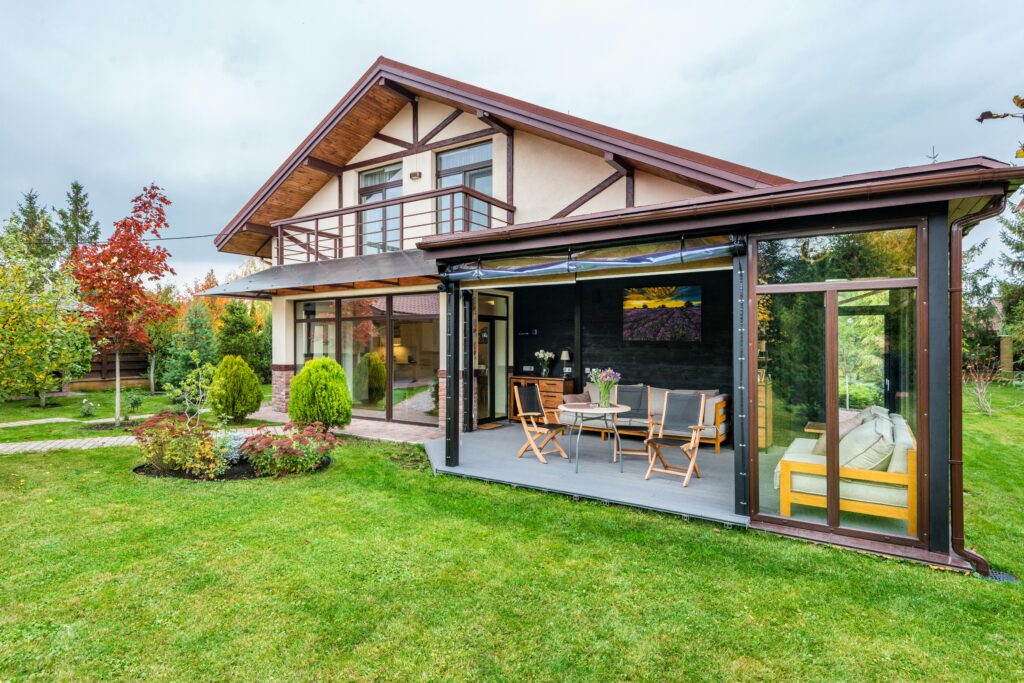
IAfter a long day, a well-designed deck or cozy patio can turn your backyard into a true retreat—perfect for relaxing, hosting friends, and enjoying fresh air. For many homeowners, the yard is more than grass; it’s an opportunity to create a personal oasis. Decks and patios do more than add function—they extend your living space, enhance curb appeal, and can increase property value.
Because there are so many styles, materials, and layouts, it’s easy to feel unsure where to begin. This article shares practical and inspiring deck and patio ideas for different tastes and budgets, from sleek modern patios with concrete finishes to rustic wooden decks made for summer gatherings. You’ll explore design styles, smart material options, and space-saving tips, plus how to connect outdoor areas with indoor spaces for a more open, inviting feel.
By the end, you’ll know how to choose weather-resistant materials, plan layouts, and arrange furniture and greenery for comfort and style—whether you want a peaceful escape or a lively entertainment zone.
Key Takeaways
- Outdoor decks and patios can transform a basic yard into a relaxing retreat or an entertainment hub.
- They extend your living space, improving comfort, curb appeal, and potentially home value.
- With many styles and budgets, the best results come from clear planning: layout, materials, and purpose first.
- Choose weather-resistant materials and design for comfort with seating, greenery, and lighting.
- A strong indoor-outdoor connection (paths, doors, flow) makes your home feel bigger and more inviting.
Why Decks and Patios Are More Important Than You Think: Transforming Your Backyard into a Personal Paradise
When we think about upgrading our homes, the focus often falls on the interiors, the kitchen, living room, or bedrooms. However, decks and patios are rapidly becoming the unsung heroes of home improvement, especially when it comes to enhancing outdoor living spaces. These backyard features are not just mere additions; they are investments that elevate your lifestyle, increase your property value, and provide a perfect escape right outside your door.
But what exactly are decks and patios, and why should they matter to you?
A deck is typically an elevated wooden platform attached to your house, offering a versatile space for relaxation, dining, or entertaining guests. In contrast, a patio is generally a ground-level paved area, using materials like stone, concrete, or brick, designed as an extension of your outdoor living area. Both serve as functional and aesthetic extensions of your home, creating seamless indoor-outdoor transitions that invite sunshine, fresh air, and social gatherings into your everyday life.
The importance of decks and patios goes beyond mere aesthetics. According to the National Association of Realtors, homeowners who invest in outdoor living spaces, including decks and patios, can expect an average return on investment (ROI) of about 70-80% upon resale. This statistic alone highlights how upgrades in your backyard can translate into tangible financial benefits.
Moreover, recent lifestyle trends accentuate the value of these outdoor spaces. A 2023 survey by the American Homeowners Association revealed that 65% of homeowners use their decks and patios as primary areas for family bonding and entertainment, a significant increase from previous years. The pandemic shifted many to find solace and comfort at home, and outdoor spaces became essential retreat zones, blending relaxation with functionality.
Consider the story of Sarah and Mike, a couple from Denver, who transformed their bland backyard into a stunning oasis with a custom-built deck supplemented by a stone patio. Before, their outdoor area was just overgrown grass and weeds. Today, their deck features cozy seating, solar-powered string lights, and a fire pit, while the patio holds a Chic dining set perfect for summer brunches. This transformation added not only warmth and beauty to their home but also became their favorite place to unwind after busy workdays and weekend gatherings. Sarah notes, “We went from ignoring the backyard to it being our sanctuary, it’s changed how we experience our home.”
The versatility of decks and patios allows for endless ideas tailored to your lifestyle. Whether it’s creating a tranquil garden spot, a lively barbecue area, or a stylish lounge space, the possibilities can enrich your daily living experience. Upgrading your backyard with decks and patios offers benefits that resonate emotionally, socially, and financially, a true enhancement in every sense.
In the following sections, we’ll delve into creative and practical decks and patios ideas to upgrade your backyard, revealing how you can seamlessly transform your outdoor space while keeping the essence of your home’s character intact. Whether you’re starting from scratch or seeking to refresh an existing setup, understanding the vital role decks and patios play will inspire you to create a personal paradise just steps away from your kitchen door.
How to Create Stunning Decks and Patios Step by Step
Transforming your backyard into a personal oasis with decks and patios can dramatically enhance your outdoor living experience. If you’re inspired by decks and patios ideas to upgrade your backyard, follow this comprehensive step-by-step guide to turn your vision into reality. From planning and design to construction and finishing touches, we’ll walk you through how to apply decks and patios principles efficiently and beautifully.
Step 1: Assess Your Space and Set a Budget
Before diving into design options and materials, start by carefully assessing your backyard:
– Measure Your Yard: Know the exact dimensions where the deck or patio will be installed. Use a tape measure or a laser distance measurer for accuracy.
– Observe Sun and Shade Patterns: Determine where sunlight hits during different parts of the day to decide placement.
– Consider Integration with Home: Think about how the deck or patio will connect to your home, pathways, or garden.
– Set a Realistic Budget: Include costs for materials, labor (if hiring professionals), furniture, lighting, and optional features like pergolas or built-in seating.
Having clear boundaries for your project keeps the process realistic and focused.
Step 2: Choose Your Design Style
Decks and patios ideas run the gamut from rustic wooden decks to sleek stone patios. Your choice should reflect your personal taste and complement your home’s architecture.
– Wooden Decks: Popular for their natural warmth and versatility. Options include pressure-treated pine, cedar, or composite decking for low maintenance.
– Stone or Concrete Patios: Offer durability and a timeless aesthetic. You can choose flagstone, pavers, stamped concrete, or bricks.
– Mixed Materials: Combining decks and patios, such as a wooden deck leading to a stone patio, creates dynamic outdoor spaces.
Sketch your rough design or use digital tools such as SketchUp or Houzz’s planning apps to visualize how your deck or patio will look.
Step 3: Obtain Necessary Permits and Check Local Regulations
Building decks and patios often requires compliance with local building codes. Check with your city or county’s building department:
– Permit Requirements: Obtain any necessary permits before construction.
– Setback Rules: Understand how close your deck or patio can be to property lines.
– Height Restrictions: Decks above a certain height may need guardrails or additional approval.
Complying upfront can save time, fines, and future legal issues.
Step 4: Select Materials and Tools
With your design and permits in hand, it’s time to choose your materials carefully:
– Decking Materials: Options include wood (cedar, redwood), composite, or PVC decking. Composite is great for low-maintenance and lasting color.
– Patio Materials: Consider pavers, natural stone, or poured concrete based on desired style and budget.
– Fasteners and Hardware: Use corrosion-resistant screws and brackets for longevity, especially for outdoor decks.
– Tools: Depending on DIY or professional approach, you’ll need saws, drills, levels, shovels, wheelbarrows, and protective gear.
Quality materials and tools ensure your deck or patio stands the test of time.
Step 5: Prepare the Site
A clean, level base is crucial for a successful deck or patio:
– Clear the Area: Remove plants, debris, rocks, and existing structures.
– Level the Ground: Use a rake and shovel to smooth the surface.
– Install Footings or Base Materials: Decks require concrete footings; patios might need a compacted gravel base or sand.
Proper site preparation prevents uneven surfaces and structural issues later.
Step 6: Build the Frame or Base
For decks, the frame forms the foundation:
– Install Posts: Dig holes for posts according to your design, secure with concrete.
– Build Ledger Board: Attach ledger board to the house’s siding to anchor the deck.
– Attach Joists: Run joists perpendicular to the ledger board, spacing based on decking material recommendations.
– Check Levels: Use a level frequently to keep the structure even.
For patios, lay out pavers or stones on the prepared base, adjusting spacing and alignment.
Step 7: Lay Decking Boards or Patio Surface
Now, bring your deck or patio to life:
– Decking Boards: Start at the house side, secure boards with screws, maintaining uniform gaps for drainage and expansion.
– Patio Surface: Arrange pavers or stones in your chosen pattern (herringbone, basket weave, random), using spacers if needed.
Add edging materials to patios for clean, finished borders.
Step 8: Add Functional and Decorative Features
Enhance the usability and beauty of your deck or patio with thoughtful additions:
– Railings and Stairs: For decks, install railings for safety and stairs for access.
– Built-In Seating: Benches or planter boxes integrated into the design offer both comfort and style.
– Lighting: Solar lights, string lights, or LED fixtures create ambiance and improve safety after dark.
– Shade Structures: Pergolas, umbrellas, or awnings provide relief from the sun.
– Fire Pits or Outdoor Kitchens: Make your backyard a year-round gathering spot.
These features turn a simple deck or patio into a personalized outdoor retreat.
Step 9: Maintain Your Deck or Patio
Ongoing care keeps your investment beautiful:
– Deck Maintenance: Clean annually with deck cleaners, reseal or repaint as needed to prevent weather damage.
– Patio Upkeep: Sweep regularly, power wash to remove stains, and replace or reset uneven pavers.
– Inspect Hardware: Tighten loose screws, check for wood rot or cracks.
Regular maintenance extends the life of your deck and patio, preserving their charm.

Example: From Idea to Backyard Upgrade
Imagine you decide on a cedar wood deck extending from your back door, leading to a stone patio surrounded by lush greenery. You plan a modest 12×16 foot deck with built-in benches on three sides, illuminated by warm string lights strung overhead from a pergola. The stone patio features circular pavers around a fire pit, perfect for cozy evenings.
By following the steps above, measuring, designing, acquiring permits, picking durable materials, and adding thoughtful features, you create a seamless outdoor experience that enhances your home’s value and invites family and friends to enjoy nature’s beauty right outside your door.
By applying these practical decks and patios ideas, you can confidently plan and build an outdoor space that perfectly suits your lifestyle and personal style. Whether you’re embarking on a DIY project or working with contractors, this step-by-step guide ensures your backyard upgrade goes smoothly from start to stunning finish.
Tips for Upgrading Your Backyard with Decks and Patios:
✅ Plan Your Space: Assess your backyard size and layout to determine the ideal location and size for your deck or patio.
✅ Choose Durable Materials: Opt for weather-resistant materials like composite decking, treated wood, or natural stone for longevity and low maintenance.
✅ Incorporate Comfortable Seating: Add cozy seating options like built-in benches, lounge chairs, or outdoor sofas to encourage relaxation and socializing.
✅ Include Shade Solutions: Install umbrellas, pergolas, or retractable awnings to protect from sun and create a comfortable outdoor environment.
✅ Use Lighting Strategically: Incorporate string lights, LED path lights, or built-in deck lighting to enhance ambiance and safety for evening gatherings.
✅ Add Greenery and Planters: Integrate potted plants, flower beds, or green walls to soften hard surfaces and bring nature closer to your outdoor living space.
✅ Create Zones: Designate areas for dining, lounging, and cooking (like a BBQ station) to maximize functionality and flow.
✅ Personalize with Accessories: Use outdoor rugs, cushions, and decorative accents to reflect your style and make the space inviting.
💡 Extra tip: Consider built-in storage solutions beneath your deck or in seating to keep your backyard organized and clutter-free.
❌ Avoid Overcrowding: Leave enough open space to prevent your deck or patio from feeling cramped, allowing ease of movement and comfort.
Key Concepts
When exploring decks and patios as elements to upgrade your backyard, it’s essential to understand that these outdoor structures serve as more than just functional additions, they are expressive extensions of our living spaces, reflecting lifestyle, personality, and even aspirations. More than flat surfaces or simple platforms, decks and patios craft zones of interaction, relaxation, and aesthetic delight.
The Essence of Decks: Elevated Outdoor Living
Imagine a deck as a stage raised slightly above the natural ground, a platform where everyday moments can be elevated both literally and figuratively. This elevation offers unique vantage points: seeing your garden from a new angle, catching a glimpse of the skyline, or simply walking above damp ground after rain. A deck is like a treehouse for adults, a purposeful perch that invites you to pause and appreciate your outdoor surroundings with fresh perspective.
At its core, a deck’s design harmonizes structure with environment. Wood, often the quintessential material, breathes warmth and organic texture into the space, like the heartbeat of the backyard. Modern decks incorporate composite materials too, blending durability with the illusion of natural grain. This choice of material defines not only the look but the mood of the entire backyard experience.
Patios: The Grounded Heart of Outdoor Living
In contrast, patios are grounded, literal canvas to craft patterns, social spaces, and artistic layouts. Think of a patio as the backyard’s welcoming hearth, an anchoring point where a family gathers, friends converse, and meals unfold under open skies or twinkling lights. Unlike the elevated deck, the patio is deeply tied to the earth beneath, drawing strength from the solidity of stone, tile, or concrete.
Patios carry a timeless quality. Their often geometric patterns, be it a mosaic of natural flagstones or sleek, patterned pavers, can emotionally resonate like works of art, solid but inviting. They echo old-world courtyards, reinvented in contemporary suburban landscapes as warm, functional outdoor rooms.
Integration: The Dance Between Decks and Patios
The fascinating part arises when decks and patios coexist, complementing each other’s characteristics. The juxtaposition of the two surfaces can parallel a symphony, deck notes provide airy, elevated harmonies, while patio beats ground the rhythm with earthy stability. Together, they create a dynamic flow: stepping down from a deck’s elevated lounge into the intimate embrace of a patio dining area mirrors transitioning from a broad, open canvas to an intricately detailed vignette.
This duality intensifies the spatial storytelling of your backyard. It choreographs how you move, pause, and engage with nature and company, a dance between verticality and horizontality, between lightness and grounded presence.
Emotional and Psychological Dimensions
Decks and patios also resonate on a psychological level. The deck’s slight elevation can instill a feeling of detachment, a small escape from the usual daily routine, like stepping into a secluded retreat. It provides a spatial metaphor for perspective and reflection.
Patios, more rooted in the earth, foster groundedness and community. Gathering on a patio can feel like being enveloped in comfort and safety, invoking ancient human customs of communal fire-side storytelling and shared sustenance.
Both, by virtue of their design and position, influence how people interact with each other and nature within these spaces. They frame moments of respite, celebration, and connection, offering new chapters to outside living.
Materiality and Texture: The Sensory Foundation
The physicality of decks and patios extends beyond visual appeal, involving texture, temperature, and sound, the rich tactile languages of outdoor living. The sun-warmed grain of a wooden deck under bare feet conveys warmth and organic life; the cool, smooth surface of a stone patio offers relief and grounded strength.
Each material unfolds sensory narratives: wood creaks as it ages, whispering stories of seasons passed; stone absorbs sunlight and radiates it back, creating comfort; concrete can be sculpted into expressive patterns, evoking modernity or rustic charm.
The choice of materials thus becomes more than mere construction decisions, they become the “voice” of your outdoor haven, enabling immersive experiences beyond the purely visual.
Natural Elements and Flow
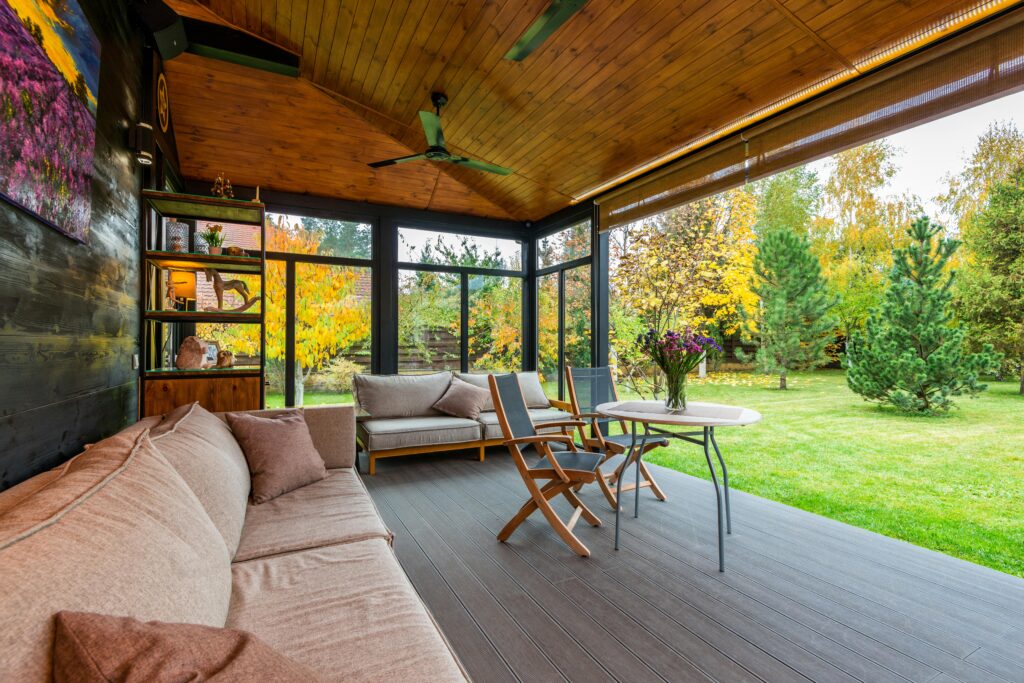
Another key concept is how decks and patios interact with natural elements: sunlight, shadow, vegetation, and airflow. A deck crowned by climbing vines or subtly shaded by pergolas can simulate a natural canopy, softening sunlight and inviting dappled shade. Patios lined by flower beds or boxwood borders create seamless transitions between built and natural realms, blurring boundaries and enriching sensory engagement.
The flow of movement across these spaces often mirrors nature’s organic rhythms, curved edges, staggered steps, and clusters of plants guide the user’s path, ensuring the backyard is not simply a static backdrop but an evolving narrative of discovery.
Versatility and Customization: Reflecting Identity
Finally, decks and patios speak to the universal human desire for personalization. Although rooted in basic structural functions, they are infinitely malleable to individual tastes and cultural expressions. Some envision a minimalist, sleek deck with clean lines and subtle lighting, quiet modern poetry. Others craft rustic patios of reclaimed stone and wrought iron, narratives steeped in heritage and nostalgia.
This versatility demonstrates that decks and patios are not merely amenities; they are symbols of identity, artistry, and intention woven into the fabric of everyday outdoor life.
—
In summary, decks and patios represent a dialogue between elevation and grounding, nature and craftsmanship, communal space and personal sanctuary. They transcend their physicality to become stages for life’s unfolding stories, sensory canvases alive with touch and light, and architectural metaphors for connection, perspective, and belonging. To embrace decks and patios with depth is to recognize them as the soulful architects of our outdoor living dreams.
Frequently Asked Questions about Decks and Patios
❓ What are the main differences between decks and patios?
Decks are typically elevated structures made of wood or composite materials, attached to a house or freestanding, while patios are ground-level areas usually constructed with concrete, stone, or pavers. Both enhance outdoor living but serve slightly different design purposes.
❓ How can I choose the best materials for my deck or patio upgrade?
Consider factors such as climate, maintenance, budget, and aesthetics. Wood decks offer natural beauty but require more upkeep, whereas composite decks are low-maintenance and durable. For patios, stone provides elegance, while concrete can be more affordable and versatile.
❓ What are some popular design ideas to upgrade my backyard with decks and patios?
Incorporate multi-level decks for visual interest, built-in seating, or fire pits. For patios, consider adding pergolas, outdoor kitchens, or textured pavers. Integrating lighting and greenery also creates a cozy, inviting atmosphere.
❓ How important is proper drainage in deck and patio construction?
Proper drainage is crucial to prevent water pooling, wood rot, or foundation damage. Decks should be built with slight slopes or gaps to allow water runoff, while patios need well-planned grading and drainage systems to keep the area dry and durable.
❓ Can I build a deck or patio myself, or should I hire a professional?
Simple patios made with pavers can often be a DIY weekend project if you have basic skills. However, decks and complex patio designs usually require professional expertise to ensure safety, build quality, and compliance with local building codes.