
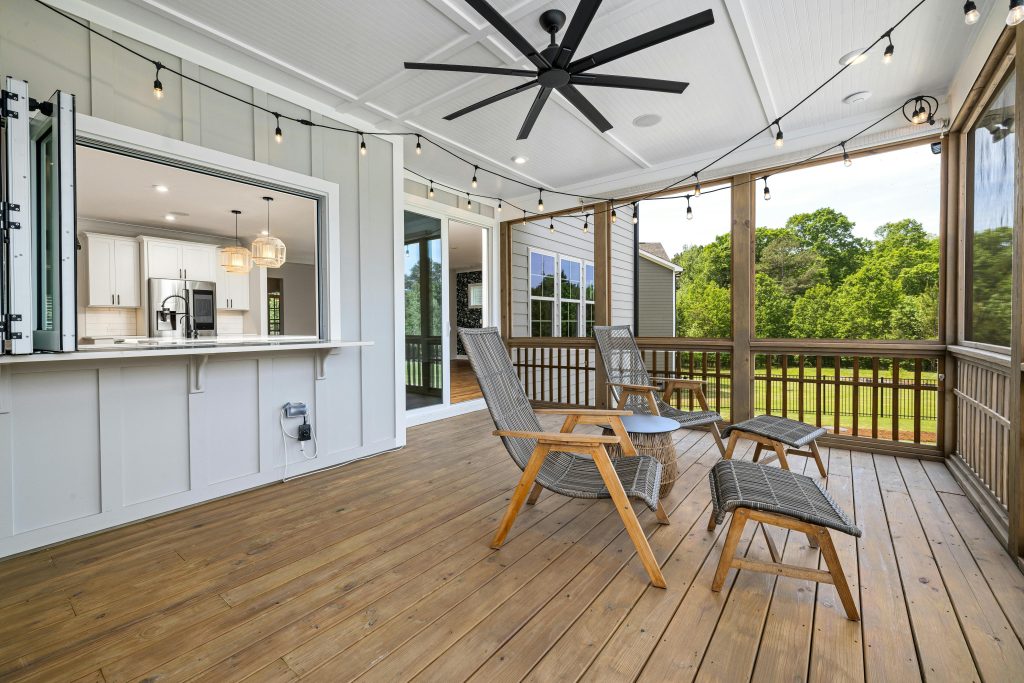
Last summer in Glen Burnie, a homeowner watched in frustration as a heavy storm turned her backyard into a small pond overnight. The water pooled around her deck, seeped toward the foundation, and made the space unusable for days. It’s a story many Maryland homeowners know all too well , unpredictable weather, limited drainage, and yards that never seem to dry out. That’s where permeable patios and smart outdoor designs come into play.
For anyone living in places like Arnold, Annapolis, or Crofton, creating a backyard that balances beauty, comfort, and resilience is more than a luxury , it’s a necessity. Hardscapes that can handle Maryland’s shifting seasons and sudden downpours don’t just protect your property; they also enhance its value and appeal. Property managers and real estate owners in Bowie, Columbia, or Bethesda understand how outdoor spaces can make or break a tenant’s first impression or a home sale.
Today, the trend is moving toward sustainable, low-maintenance solutions such as composite decks paired with permeable patios. Together, they create outdoor living areas that look stunning, resist weather damage, and support proper drainage. In Maryland’s diverse landscapes, this combination represents the perfect blend of functionality, style, and environmental responsibility , a smart investment for anyone who wants their backyard to stand the test of time.
Key Takeaways
1. Permeable patios are more than a design choice , they’re a functional solution for managing Maryland’s frequent rain and preventing backyard flooding across cities like Annapolis, Bowie, and Rockville.
2. Proper installation is essential. Successful results come from using the right materials, base layers, and grading methods tailored to local soil and weather conditions.
3. Composite decks and permeable patios complement each other. Together, they create cohesive, low-maintenance outdoor spaces that add both comfort and property value.
4. Environmental benefits are significant. These systems reduce runoff, protect water quality in the Chesapeake Bay region, and help comply with local drainage regulations.
5. Maintenance is simple but necessary. Occasional cleaning, refilling joints, and preventing debris buildup keep the patio performing well for years.
6. Customization matters. The right design , whether for a small courtyard in Crofton or a large estate in Bethesda , should balance style with functionality.
7. Working with knowledgeable contractors ensures durability. Experienced professionals understand Maryland’s specific conditions and install patios that last.
8. Investing in permeable patios pays off. They combine sustainability, weather resilience, and beauty, making them one of the smartest backyard improvements for Maryland homeowners and property managers.
The Smart Blend of Design and Function
Creating an outdoor space that is both beautiful and practical has become a top priority for Maryland homeowners. Between the humid summers and frequent storms, materials that can handle moisture are essential. This is where permeable patios and composite decks make a strong team. A permeable patio is designed with special pavers or porous materials that allow rainwater to filter through instead of running off. This simple yet powerful idea helps prevent flooding, reduces erosion, and directs water back into the soil naturally.
For families in Annapolis or Arnold, that means less standing water after a storm and a more resilient yard throughout the year. Pairing that with a composite deck , a material made from recycled wood fibers and plastics , ensures a durable, low-maintenance space perfect for entertaining or relaxing outdoors.
Why Permeable Patios Matter in Maryland
In places like Bowie, Rockville, and Silver Spring, local regulations often encourage eco-friendly drainage solutions to reduce runoff into the Chesapeake Bay watershed. Permeable patios help meet those needs while keeping outdoor areas functional and attractive. They also reduce the risk of basement leaks and foundation damage , issues that can become costly headaches for property owners and managers alike.
Property managers in Columbia or Bethesda, who oversee multiple residences, appreciate how these patios minimize maintenance calls related to water pooling or slippery surfaces. Real estate investors benefit, too, because homes with sustainable hardscaping often stand out in competitive markets.
Practical Design Ideas
Imagine a Potomac backyard with a composite deck leading seamlessly to a permeable patio framed with greenery. This design not only supports drainage but also adds visual warmth and texture. In Crofton, a small courtyard might use interlocking permeable pavers for paths between garden beds, keeping the ground dry and tidy after storms.
Whether you’re upgrading your personal outdoor retreat or improving a rental property, the combination of composite decks and permeable patios is a forward-thinking solution. It enhances curb appeal, boosts property value, and delivers long-term environmental benefits , the definition of smart backyard design for Maryland homes.
Step-by-Step Guide to Building Durable and Efficient Permeable Patios
Constructing permeable patios requires careful planning, proper installation techniques, and materials suited for Maryland’s unique climate. From the dense clay soils of Bowie to the sandy terrain near Annapolis, contractors must adapt their methods to ensure drainage, durability, and beauty. Below is a comprehensive step-by-step guide showing how professionals create permeable patios that perform well year-round and enhance any residential property.
Step 1: Site Evaluation and Planning
Every successful project starts with a detailed site assessment. Contractors inspect the yard’s slope, identify any drainage problems, and determine existing soil conditions. In areas like Glen Burnie or Crofton, where sudden storms are common, assessing how the property handles heavy rainfall is essential.
Professionals also consider how the patio connects with other outdoor elements, like composite decks, walkways, or landscaping features. At this stage, they design a patio layout that directs water naturally away from the home’s foundation, preserving the structural integrity of the property.
| Evaluation Factors | Considerations |
| Soil type | Clay soils require thicker aggregate bases for drainage |
| Yard slope | Steeper slopes need minor grading for stability |
| Drainage path | Must direct water away from structures |
| Nearby features | Decks, fences, and gardens affect water flow |
Step 2: Excavation and Base Preparation
Once the design is finalized, contractors move on to excavation. The typical depth for permeable patios is about 12 to 18 inches, depending on local rainfall levels and soil type. In places like Silver Spring or Rockville, where soil compaction is higher, deeper excavation helps prevent water buildup.
After excavation, crews install a geotextile fabric that separates the soil from the gravel layers above. This material prevents the underlying soil from mixing with the aggregate, which would otherwise reduce permeability over time.
The next layer is a reservoir base of coarse, angular stone (commonly called No. 2 or No. 3 stone). This layer acts as a storage area for rainwater before it infiltrates into the ground.
Step 3: Installing the Sub-Base Layers
A proper sub-base ensures stability and long-lasting performance. In permeable patios, each layer has a specific purpose, from promoting drainage to supporting surface loads.
| Sub-Base Layer | Material | Purpose |
| Bottom layer | Coarse stone (2–2.5″ size) | Water storage and infiltration |
| Middle layer | Medium gravel (¾–1″ size) | Distributes weight evenly |
| Top bedding layer | Fine gravel (⅜” size) | Provides smooth surface for pavers |
Each layer is compacted gently using a plate compactor, but not so tightly that it blocks water flow. Contractors in Columbia or Bethesda often test infiltration rates during this phase to verify that drainage meets local building standards.
Step 4: Laying the Permeable Pavers
With the sub-base ready, it’s time to set the pavers. Permeable pavers have small, built-in gaps or joints that allow water to flow through. Contractors follow the desired pattern , whether it’s herringbone, basket weave, or simple grid , ensuring alignment and consistency.
Edge restraints are added around the perimeter to hold pavers securely in place. Using recycled plastic or concrete edging adds durability without sacrificing aesthetics. In Annapolis properties near the water, corrosion-resistant materials are preferred for long-term performance.
Once the pavers are in place, installers brush fine gravel (not sand) into the joints. This filler material keeps the gaps open, sustaining the patio’s permeability.
Step 5: Compaction and Finishing
After filling the joints, the entire surface is compacted lightly to ensure stability. Contractors then add another thin layer of joint gravel to fill any remaining gaps. Water is gently sprayed across the surface to settle the stones and remove dust.
Homeowners in Potomac or Arnold often request an integrated design, combining permeable patios with composite decks or built-in features like seating walls or planters. These additions complete the outdoor environment and reinforce a unified look that suits Maryland’s architectural styles.
Step 6: Maintenance and Long-Term Care
Proper maintenance ensures that the patio continues working effectively for years. Fortunately, permeable patios are low maintenance , they only need occasional care to retain optimal performance.
· Annual Inspection: Check for clogged joints or compacted gravel after winter and remove debris.
· Sweeping and Vacuuming: Regular sweeping or using a shop vac helps prevent sediment buildup that can block permeability.
· Weed Prevention: Applying polymeric gravel or installing a weed barrier fabric reduces plant growth between joints.
· Replenish Gravel: Every few years, refill joint material to maintain consistent water flow.
Property managers in Rockville or Bowie appreciate these easy-care steps because they reduce long-term maintenance costs and prevent flooding-related issues around multi-unit complexes.
Step 7: Integrating with Composite Decks and Landscaping
For the most cohesive results, contractors may design permeable patios in tandem with composite decks. These two elements complement each other , the deck provides an elevated lounging space, while the patio manages stormwater below. In Maryland backyards where space is limited, this combination maximizes both function and elegance.
Homeowners looking to boost resale value in Bethesda or Columbia often choose matching colors and materials between the deck and patio to create harmony. Adding native plants, rain gardens, or decorative stone edging further enhances sustainability and curb appeal.

Building permeable patios the right way transforms Maryland backyards into efficient, eco-friendly, and visually appealing spaces. Whether for a private home, a managed property, or a real estate investment, following these professional steps ensures long-term performance, environmental responsibility, and enduring value.
Knowing a few practical tips can make all the difference when it comes to building and maintaining permeable patios in Maryland’s varied weather conditions. Whether you manage properties in Bowie, own a home in Crofton, or invest in real estate across Annapolis and Bethesda, these guidelines help ensure better performance, longer lifespan, and fewer costly repairs over time.
Tips for Better Results:
Choose quality materials: Opt for locally sourced pavers and gravel designed for Maryland’s freeze-thaw cycles.
Plan proper grading: Make sure the patio slopes slightly away from your home to boost drainage efficiency.
Include a solid base: Using the correct stone layers prevents settling and maintains even water flow.
Avoid fine sand: Always use clean, angular gravel for filling joints , it won’t compact or block water.
Clean periodically: Sweep or vacuum the joints yearly to remove sediment without using harsh chemicals.
Combine with landscaping: Pairing your patio with rain gardens or native plants enhances water absorption.
Applying these simple best practices allows permeable patios to stay functional, beautiful, and sustainable , proof that good design and technical care go hand in hand in Maryland’s outdoor spaces.
Key Concepts to Understand Before Installing Permeable Patios
Homeowners and property managers across Maryland , from Annapolis to Bethesda , are discovering how permeable patios deliver more than visual appeal. They represent a practical, eco-friendly solution tailored to the state’s weather patterns, stormwater regulations, and lifestyle needs. However, achieving a great result requires understanding a few key technical and design concepts.
The Science Behind Permeable Patios
Unlike traditional concrete or brick patios that block water flow, permeable patios are engineered to allow water to drain through the surface. Each component , from the pavers to the sub-base , plays a critical role in managing runoff efficiently.
Rainwater passes through the joints between pavers, into a reservoir layer underneath, and finally infiltrates into the soil. This process reduces erosion, prevents pooling, and replenishes groundwater , crucial benefits for Maryland cities like Silver Spring or Rockville, where heavy rainfall can overwhelm drainage systems.
Core Components and What They Do
Understanding the construction layers helps homeowners make informed decisions when requesting quotes or evaluating contractors.
| Patio Layer | Material Used | Function | Example in Context |
| Surface Layer | Permeable Pavers or Porous Concrete | Allows water infiltration | Ideal for residential patios in Bowie or Columbia |
| Bedding Layer | Fine angular gravel | Supports pavers and maintains permeability | Commonly ⅜” crushed stone |
| Reservoir Base | Coarse aggregate stones | Stores stormwater and distributes weight | Essential for clay soils in Glen Burnie |
| Filter Fabric | Geotextile membrane | Separates soil from base materials | Prevents clogging over time |
| Subgrade Soil | Natural ground layer | Receives infiltrated water | Varies across Maryland’s regions |
Permeability Rate and Why It Matters
Permeability rate determines how quickly water moves through the patio surface. A design suited for Annapolis, where coastal rains are frequent, might differ from one in Crofton, where soils drain more slowly. Contractors test infiltration rates during installation to ensure long-term effectiveness.
Choosing the right materials for local soil conditions maximizes this drainage efficiency and helps property owners comply with Maryland’s stormwater management guidelines.
| Soil Type | Typical Drainage | Recommended Aggregate Base |
| Clay (common in Bowie, Rockville) | Slow | Deep base (16–18”) with coarse stone |
| Loam (seen in Columbia, Silver Spring) | Moderate | Mid-depth base (12–14”) |
| Sand (near Annapolis) | Fast | Shallower base (10–12”) for stability |
Permeable Patios vs. Traditional Hardscapes
Many property owners initially compare permeable patios to conventional paved surfaces. While both offer aesthetic appeal, their performance over time differs significantly.
| Feature | Permeable Patios | Traditional Patios |
| Drainage | Directs water into soil | Sheds water off surface |
| Maintenance | Occasional gravel refill | Potential for cracking and pooling |
| Environmental Benefits | Reduces runoff and flooding | Can increase erosion and heat |
| Long-Term Cost | Lower due to reduced drainage systems | Higher maintenance and repair costs |
| Maryland Advantage | Complies with stormwater regulations | May require additional drainage permits |
For homeowners in communities like Potomac or Arnold, where preserving landscaping and property value is vital, the sustainability factor alone makes permeable patios a clear winner.
Design Integration with Composite Decks
Blending permeable patios with composite decks has become a growing trend in Maryland outdoor design. Composite decking, known for its durability and resistance to moisture, complements permeable surfaces that manage stormwater naturally.
A common design might feature a raised deck connected to a permeable patio lounge area, with built-in planters or a fire pit. In Bethesda, homeowners often choose neutral composite tones that flow seamlessly into light-gray or tan pavers , merging aesthetics and practicality.
Choosing the Right Contractor and Materials
Not every hardscape installer is experienced in permeable systems. Homeowners and managers should verify that their chosen contractor:
· Understands local soil and drainage requirements.
· Uses Maryland-approved aggregate materials.
· Avoids compacting sub-base layers too tightly, which would block infiltration.
· Offers options for reclaimed or locally sourced pavers to meet sustainability goals.
Meanwhile, materials should be selected for long-term stability and weather compatibility, especially in freeze-prone areas like Rockville or Bowie.
Long-Term Value of Understanding These Concepts
Grasping these key ideas helps property owners make better purchasing decisions, communicate effectively with contractors, and ensure lasting functionality. A well-designed permeable patio doesn’t just solve drainage issues , it enhances curb appeal, supports local sustainability goals, and increases property desirability.
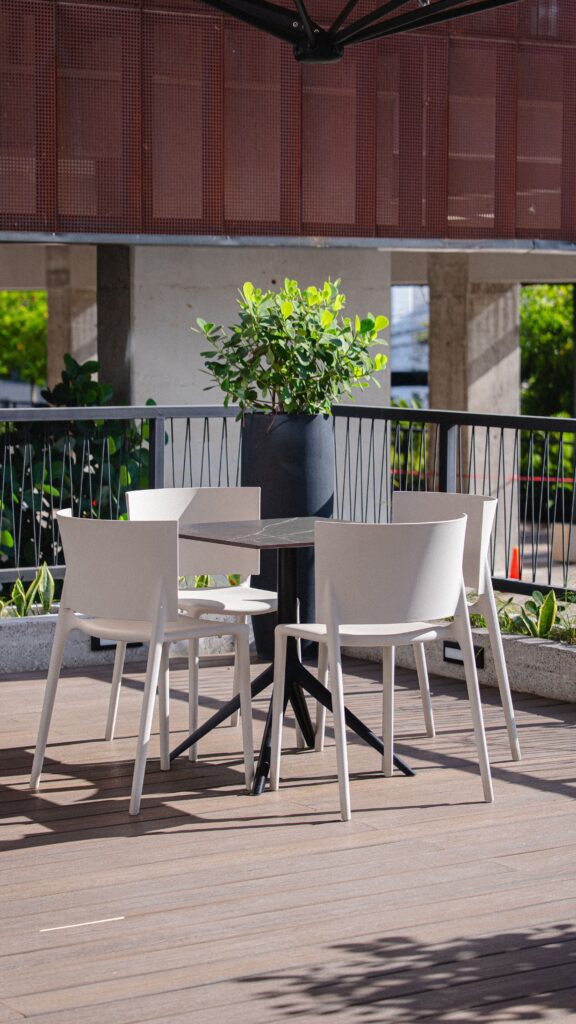
In Maryland communities that value both environmental responsibility and outdoor living comfort, mastering these core concepts is the foundation for building beautiful and resilient backyard spaces that truly stand the test of time.
Frequently Asked Questions About Permeable Patios
How do permeable patios work?
Permeable patios use specially designed pavers or materials that allow rainwater to flow through joints or small gaps instead of running off the surface. Beneath the patio, layered stone acts as a natural filter, storing and slowly releasing water into the soil , an ideal solution for storm-prone Maryland cities like Glen Burnie or Rockville.
Are permeable patios durable enough for Maryland’s weather?
Yes. When properly built, they withstand Maryland’s freeze-thaw cycles and high humidity. Using high-quality aggregate and correct installation methods ensures longevity even in areas like Annapolis or Crofton, where coastal moisture is common.
Do permeable patios require a lot of maintenance?
Not at all. Occasional sweeping, refilling of joint gravel, and removing debris once or twice a year keep them performing optimally. This makes them especially convenient for busy property managers in Columbia or homeowners in Bowie.
Can permeable patios handle heavy traffic or furniture?
Absolutely. Modern pavers are designed to support normal residential loads , including outdoor furniture, grills, and foot traffic , without cracking or sinking, as long as they are installed on a stable base.
Are permeable patios more expensive than traditional ones?
The upfront cost can be slightly higher, but long-term savings from reduced drainage issues, lower maintenance, and potential stormwater incentives in Maryland often make them more economical over time.
Can they be combined with composite decks?
Yes. Many homeowners in Bethesda and Potomac opt for designs that blend composite decks and permeable patios to create cohesive, eco-friendly outdoor living areas.
Choosing permeable patios means investing in sustainability, durability, and lasting curb appeal , a smart, value-adding choice for any Maryland property.